
The Various Ways Water Can Damage Your Property and What to Do
Water is essential to life, yet when it infiltrates a property unexpectedly, it can cause severe damage to a home or commercial building. Water damages can affect structural integrity, lead to mold growth, damage electrical systems, and create an environment that attracts pests. Understanding the sources of water intrusion, how to prevent it, and the professionals who can help mitigate risks is critical for property owners. This article explores various ways water can damage your property and what steps you can take to protect it, with an emphasis on prevention and professional services.
What Is Drain Hydro Jetting, and How Can It Prevent Water Damage?
Understanding Drain Hydro Jetting
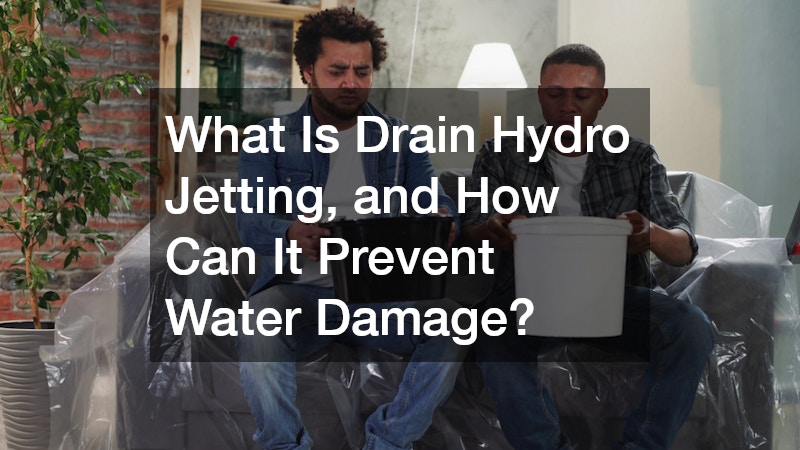
Drain hydro jetting is a specialized method used by plumbing contractors to clear pipes of clogs and buildup using high-pressure water. Unlike traditional snaking or chemical cleaners, hydro jetting removes grease, scale, sediment, and even roots from the interior of your plumbing system. By thoroughly cleaning pipes, drain hydro jetting prevents blockages that can cause overflows and backups, two common sources of water damage in homes and businesses.
Benefits of Hydro Jetting for Your Property
Hydro jetting provides a comprehensive solution to prevent water damage. Properly maintained drains reduce the likelihood of leaks, floods, and sewage backups that can compromise walls, flooring, and furniture. Additionally, this method extends the lifespan of pipes and reduces maintenance costs. By clearing debris thoroughly, hydro jetting improves water flow and efficiency, lowering the risk of emergency plumbing repairs that can disrupt your daily life or business operations.
When to Consider Hydro Jetting
Property owners should consider drain hydro jetting if drains are slow, backups occur frequently, or there is a persistent foul odor coming from pipes. Homes with older plumbing systems or commercial properties with high water usage are particularly vulnerable. Scheduling hydro jetting as a preventive measure ensures that potential problems are addressed before they escalate into costly water damages.
Hydro Jetting vs. Traditional Methods
While traditional drain cleaning methods may provide a temporary solution, they often leave residue that leads to recurring clogs. Drain hydro jetting, on the other hand, completely scours the pipe, leaving it clean and clear for long-term use. This thorough approach reduces the risk of water damages associated with pipe blockages, making hydro jetting a superior option for maintaining a safe and functional plumbing system.
Choosing a Service Provider for Hydro Jetting
Selecting the right service provider is crucial. Look for licensed plumbing contractors who have experience with hydro jetting in both residential and commercial settings. Reviews, certifications, and transparent pricing are indicators of a reputable service provider. An experienced contractor will conduct an inspection to determine the extent of pipe buildup and recommend the most effective treatment plan for preventing water damages.
How Do Home Renovations Impact Water Damage Risks?
Common Renovations That Affect Water Flow
Home renovations can unintentionally increase the risk of water damages if proper planning is not followed. Renovations that alter the layout of kitchens, bathrooms, or basements can affect drainage and water flow. Installing new appliances, adding bathrooms, or creating open-concept spaces may inadvertently redirect water or reduce drainage efficiency, creating opportunities for leaks or flooding.
Identifying Risk Areas During Renovations
Before starting a renovation, it’s important to identify areas that are prone to water intrusion. Basements, utility rooms, and spaces near plumbing lines are high-risk areas. Improper grading around the property or blocked gutters can exacerbate the risk. Collaborating with experienced contractors and planners ensures that renovations enhance functionality without creating new vulnerabilities for water damages.
Tips on Renovating to Prevent Water Damage
Renovations should include preventive measures to reduce the likelihood of water damages. Installing proper waterproofing, selecting moisture-resistant materials, and maintaining clear drainage systems are critical steps. Planning renovations with an understanding of water flow ensures that changes to the property do not create unintended problems over time.
Collaborative Planning with Contractors
Working closely with a plumbing contractor or home remodeling professional is essential during renovations. These experts can provide insight into potential water risks, recommend preventive systems, and ensure compliance with local codes. Collaborative planning reduces the chance of post-renovation issues such as leaks, pipe bursts, or mold growth.
Post-Renovation Water Damage Inspection
After renovations, conducting a thorough inspection is crucial. Plumbing contractors and other professionals can verify that systems are functioning correctly and that there are no hidden leaks. Regular monitoring following renovations helps identify minor issues before they develop into significant water damage, protecting both the property and its occupants.
What Role Does a Plumbing Contractor Play in Preventing Water Damage?
Services Offered by Plumbing Contractors
Plumbing contractors offer a wide range of services that directly prevent water damage. From routine inspections and drain cleaning to repairs and full system installations, these professionals ensure that water flows safely and efficiently throughout a property. Advanced services, including drain hydro jetting, pipe replacement, and leak detection, are crucial tools for safeguarding a home or business from water-related problems.
Identifying Reliable Plumbing Services
Choosing a trusted plumbing contractor is vital to preventing water damage. Look for licensed, insured professionals with strong customer references. Experienced contractors can identify vulnerabilities in your plumbing system, recommend solutions, and provide ongoing maintenance that reduces the risk of leaks and flooding.
Key Signs You Need a Plumbing Contractor
Certain warning signs indicate the need for immediate attention from a plumbing contractor. Frequent backups, slow drains, water stains, unusual odors, and visible leaks are indicators of potential water damage. Addressing these signs promptly prevents small issues from escalating into costly repairs.
Routine Maintenance and Water Damage Prevention
Routine plumbing maintenance is a critical defense against water damage. Scheduling regular inspections, clearing drains, and monitoring water pressure ensures that minor issues are addressed before they cause structural damage. Plumbing contractors often provide maintenance plans that include seasonal checks and preventive care, giving property owners peace of mind.
Navigating Plumbing Emergencies
Emergencies, such as burst pipes or sudden backups, require immediate professional intervention. Plumbing contractors respond quickly to minimize water damage, using specialized equipment to remove water and repair affected systems. Knowing who to call in a crisis ensures that damage is contained and recovery is faster.
Can Pest Control Be Related to Water Damage?
How Water Damage Attracts Pests
Water damage can create an environment conducive to pests. Moisture attracts insects like termites, ants, cockroaches, and rodents, which can further compromise the property. Standing water or leaks in walls and basements provide breeding grounds for these pests, compounding the challenges associated with water-related damage.
Preventative Pest Control Measures
Pest control and water damage prevention go hand in hand. Proper drainage, sealed entry points, and routine inspections reduce both pest infestations and water-related issues. Preventive measures such as dehumidifiers and proper ventilation also minimize moisture accumulation that attracts pests.
Co-managing Pest Control and Water Prevention
Coordinating pest control with plumbing maintenance and water prevention strategies ensures comprehensive protection. Plumbing contractors can address leaks while pest control specialists manage infestations, creating a safer, drier, and healthier property.
Recognizing Pest Infestations from Water Damage
Pest infestations often indicate underlying water damages. Discoloration on walls, damp odors, and mold growth may signal both water problems and pest activity. Early recognition allows property owners to address the source of moisture while mitigating the pest problem.
Employing Professional Pest Control Services
Hiring professional pest control services is a key step in managing water-related risks. Experts can identify vulnerable areas, treat infestations, and offer recommendations for reducing moisture-related pest activity, complementing the work of plumbing contractors and other water management professionals.
How Do Well Services Help in Water Damage Control?
Understanding the Function of Well Services
Well services are essential for properties relying on private water sources. Properly maintained wells provide clean, controlled water supply and prevent unexpected water intrusion into the surrounding environment. Malfunctioning wells can contribute to localized flooding, soil erosion, and water damages.
Maintenance of Well Systems
Regular maintenance of well systems, including inspection of pumps, pressure tanks, and plumbing connections, ensures efficient operation and reduces the risk of water damages. Well services professionals can detect early signs of leaks, contamination, or overflows that could threaten a property.
Recognizing When Well Systems Need Repair
Signs such as low water pressure, discolored water, unusual noises from pumps, or damp areas around the well indicate a need for repair. Prompt intervention from well services professionals prevents minor issues from escalating into property-damaging situations.
Impact of Malfunctioning Wells on Property
A malfunctioning well can lead to flooding, soil instability, and water accumulation around foundations, increasing the likelihood of water damage. Proper well maintenance and inspection are critical components of comprehensive property protection.
Benefits of Professional Well Inspections
Professional well inspections provide assurance that a property’s water source is safe and functioning efficiently. Inspectors identify potential risks, recommend maintenance strategies, and ensure compliance with local regulations, reducing both water damage and health hazards.
What Is Land Clearing, and How Can It Prevent Water Damage?
Introduction to Land Clearing
Land clearing involves removing trees, brush, debris, and other obstacles from a property to improve drainage and reduce flooding risks. It is a key preventative measure for managing water flow around homes, commercial buildings, and agricultural areas.
Benefits of Clearing Land for Water Flow
Clearing land improves natural water drainage, reduces soil erosion, and prevents water accumulation near foundations and basements. Proper grading and removal of obstructions allow water to flow away from structures, reducing the likelihood of water damage and flooding.
Environmental Considerations and Regulations
Land clearing must balance property protection with environmental responsibility. Permits, erosion control, and adherence to local regulations ensure that water management efforts do not negatively impact surrounding ecosystems or watercourses.
Techniques Used in Land Clearing
Professional land clearing uses methods such as brush removal, grading, excavation, and debris disposal. Combining these techniques ensures that water flows naturally across the property, preventing pooling and minimizing damage risks.
Selecting Professionals for Land Clearing
Choosing a professional land clearing service ensures that work is done safely and effectively. Experts assess terrain, drainage patterns, and vegetation to develop a plan that reduces water damage while maintaining property aesthetics.
How Does Vacuum Excavation Mitigate Water Damage Risks?
Principles of Vacuum Excavation
Vacuum excavation uses high-pressure air or water combined with suction to safely remove soil and debris around utilities. This method is precise, reducing the risk of damaging underground pipes and minimizing potential water damage caused by accidental punctures.
Use Cases for Vacuum Excavation
Vacuum excavation is ideal for exposing underground plumbing, drainage systems, and utility lines. By providing clear access, contractors can repair leaks, replace pipes, or perform maintenance without creating additional water-related issues.
Comparing Excavation Methods
Compared to traditional mechanical excavation, vacuum excavation reduces soil disruption, prevents utility damage, and minimizes the risk of flooding or erosion. This targeted approach is safer for both the property and its plumbing infrastructure.
Recognizing Signs for Excavation Needs
Visible soil settling, pooling water, unexplained dampness, or recurring leaks may indicate the need for vacuum excavation. Early intervention prevents water damage and protects critical infrastructure.
Safety and Cost Considerations
While vacuum excavation may have higher upfront costs than traditional methods, it prevents costly water damage and reduces the risk of secondary repairs. Safety protocols ensure that contractors can perform work efficiently without harming property or utilities.
How Can Electric Contractors Help Prevent Water Damage?
Role of Electric Contractors in Water Mitigation
Electric contractors play a crucial role in preventing water damage related to electrical systems. Water intrusion near wiring, outlets, or panels creates serious safety hazards. Electric contractors assess risk areas, install protective measures, and ensure that electrical systems remain safe during floods or leaks.
Ensuring Safe Electrical Installations
Proper electrical installation in basements, kitchens, bathrooms, and outdoor areas prevents water contact with live circuits. Electric contractors use waterproof outlets, GFCI protection, and elevated panel placement to reduce the risk of damage during water exposure.
Electrical Assessments for Water-Damaged Areas
Following water damages, electric contractors perform detailed assessments to identify compromised circuits, wiring, and appliances. Timely evaluation prevents electrical fires, short circuits, and further property damage.
Recognizing Signs of Electrical Issues from Water
Discolored outlets, tripped breakers, flickering lights, and unusual odors can indicate water damage affecting electrical systems. Prompt intervention by electric contractors mitigates safety risks and prevents costly repairs.
Coordination with Other Contractors
Electric contractors often work alongside plumbing contractors, general contractors, and well services professionals to create a coordinated response to water damage. Collaborative planning ensures that all systems are protected and water risks are minimized.
How Do Drain and Plumbing Services Help Reduce Water Damage?
Overview of Key Drain and Plumbing Services
Drain and plumbing services encompass everything from leak detection and pipe repair to sewer line maintenance and drain hydro jetting. By addressing blockages, repairing damaged pipes, and ensuring efficient water flow, these services reduce the risk of water damage significantly.
Maintenance Routines for Preventive Care
Routine drain and plumbing maintenance prevents small issues from escalating into major problems. Inspections, cleanings, and preventive repairs ensure that water moves efficiently through the system, reducing the likelihood of flooding or leaks that damage floors, walls, and foundations.
Advanced Plumbing Solutions
Modern plumbing services offer advanced solutions, such as trenchless pipe repair, hydro jetting, and water monitoring systems. These technologies minimize invasive work and reduce the risk of water damages, saving property owners time and money.
Integrating Drain Solutions in Property Management
For larger properties or commercial spaces, integrating drain and plumbing services into overall property management is essential. Coordinated maintenance schedules and prompt repairs protect the building from unexpected water damages and ensure long-term system performance.
Emergency Plumbing Response Strategies
Rapid response to plumbing emergencies is critical for minimizing water damage. Plumbing contractors provide emergency services that contain leaks, repair burst pipes, and restore water flow quickly, preventing secondary damages and reducing cleanup costs.
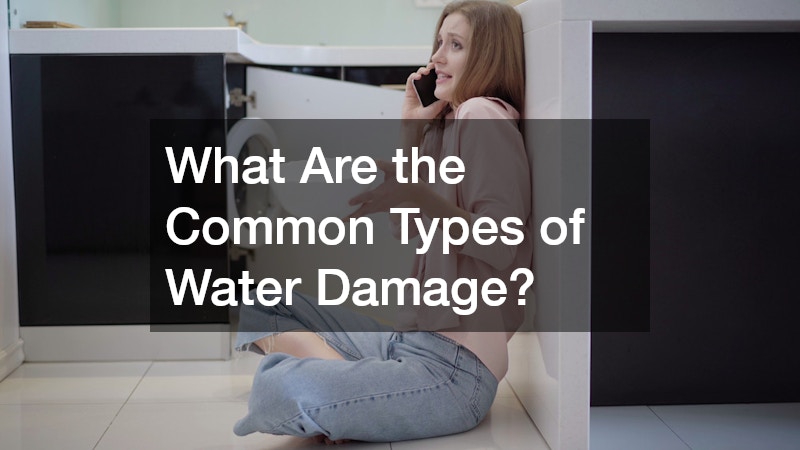
What Are the Common Types of Water Damage?
Flood Damage
Flooding from storms, heavy rainfall, or rising water tables is a leading cause of water damage. Floodwater can compromise structural elements, damage flooring and furnishings, and introduce contaminants that create health hazards.
Pipe Leaks and Bursts
Leaking or burst pipes are common sources of water damage inside homes. Undetected leaks can saturate walls, ceilings, and floors over time, while sudden bursts cause immediate flooding and significant repair costs.
Water Stains and Mold
Persistent moisture from leaks or condensation leads to visible water stains and mold growth. Mold not only damages surfaces but also poses health risks to occupants, making prompt remediation essential.
Roof Leaks and Structural Damage
Roof leaks allow rainwater to infiltrate attics, ceilings, and walls, often causing rot, sagging, and structural damage. Timely repairs and regular roof inspections prevent water from compromising the integrity of the building.
Other Weather-related Water Issues
Hail, ice dams, and heavy snowfall can contribute to water damage. Improper drainage, blocked gutters, and snow accumulation increase the risk of leaks, making proactive maintenance a necessity for all property owners.
Final Thoughts
Water damage can have far-reaching effects on any property, but understanding the sources, preventive measures, and professional interventions makes a significant difference. From drain hydro jetting and routine plumbing maintenance to pest control, well services, land clearing, vacuum excavation, and the expertise of electric contractors, homeowners and property managers have multiple strategies to protect their investment. Proactive planning, careful renovations, and professional collaboration ensure that water is managed effectively, preventing costly repairs and preserving the safety and value of your property.
