

Kitchen Plumbing Installation Explained: Pipes, Drains, and Fixtures
- Kitchen plumbing installation is a complete system made up of water supply lines, drainpipes, vents, and fixtures that must work together to prevent leaks, clogs, and sewer gas issues.
- Choosing the right pipe materials and ensuring proper drain slope and venting are critical for long-term performance and code compliance.
- The kitchen sink is the central fixture, and its installation directly affects dishwashers, garbage disposals, and overall drainage efficiency.
- Plumbing codes and permits play a key role in safety, home value, and resale, even for seemingly small kitchen upgrades.
- Careful planning before a remodel helps avoid costly changes, delays, and hidden plumbing problems behind walls and floors.
- Poor installation and corner-cutting often lead to water damage and expensive repairs, making professional plumbers the safest choice for major work.
Kitchen plumbing installation is one of the most critical systems in any home, yet it is often overlooked until something goes wrong. From delivering clean water to safely removing waste, your kitchen’s plumbing network works quietly behind walls, under floors, and inside cabinets every day. For homeowners planning a remodel, building a new kitchen, or simply wanting to understand how things work, knowing the basics can help you make smarter decisions and avoid costly mistakes.
This in-depth guide explains kitchen plumbing installation in clear, practical terms. We’ll walk through pipes, drains, fixtures, codes, costs, and common pitfalls—so you know what to expect and how to protect your investment.
Understanding the Basics of Kitchen Plumbing Systems
A kitchen plumbing system is a carefully coordinated network designed to deliver water where it’s needed and remove wastewater efficiently. It involves supply lines, drainpipes, vents, fixtures, and connection points that must work together seamlessly. When installed correctly, the system remains largely invisible and trouble-free for decades.
For homeowners, understanding these basics is essential because kitchens use more water than most other rooms. Sinks, dishwashers, refrigerators, and sometimes pot fillers all rely on the same plumbing framework. Poor installation can lead to leaks, slow drainage, odors, and long-term structural damage. Knowing how the system is supposed to work helps you spot problems early and communicate more effectively with plumbers and contractors.
Kitchen plumbing installation must also follow building codes, which exist to protect health and safety. Codes regulate pipe sizes, materials, slope, venting, and backflow prevention. Even minor changes, such as moving a sink or adding an appliance, can require adjustments to the entire system.
How Water Supply and Drainage Work Together
The water supply system delivers clean water under pressure to your fixtures. At the same time, the drainage system relies on gravity to carry wastewater away. These two systems never directly connect, which helps prevent contamination.
Proper installation balances water pressure, pipe sizing, and drain slope. If any part of the system is undersized or incorrectly installed, the entire kitchen can suffer from performance issues.
Kitchen Plumbing Installation: Pipes and Materials Explained
Choosing the right pipes is a foundational step in kitchen plumbing installation. Pipes must be durable, safe for drinking water, and compatible with local building codes. Homeowners often don’t see these materials, but they play a major role in system longevity and performance.
Modern kitchens use a mix of materials for supply and drain lines. Each option has strengths, limitations, and ideal use cases. Understanding these differences helps homeowners make informed decisions during renovations or repairs.
Pipe material selection affects water pressure, noise levels, corrosion resistance, and even water quality. Older homes may still have outdated materials that need replacement during a kitchen upgrade. New installations typically focus on materials that balance cost, durability, and ease of installation.
Common Types of Water Supply Pipes
Water supply pipes bring hot and cold water to sinks and appliances. The most commonly used materials include:
- PEX (cross-linked polyethylene): Flexible, affordable, and resistant to corrosion
- Copper: Durable, heat-resistant, and long-lasting, but more expensive
- CPVC: Rigid plastic pipe suitable for hot and cold water
PEX has become increasingly popular due to its flexibility and ease of installation. Copper remains a premium choice for homeowners prioritizing longevity and resale value.
Drain and Waste Pipe Materials
Drainpipes handle wastewater and food debris, so durability and proper sizing are essential. Common materials include:
- PVC: Lightweight, affordable, and corrosion-resistant
- ABS: Strong and impact-resistant, often used in colder climates
- Cast iron (older homes): Very durable but heavy and prone to corrosion over time
Most modern kitchen plumbing installations use PVC due to its cost-effectiveness and reliability.
How Kitchen Drainage Systems Are Designed
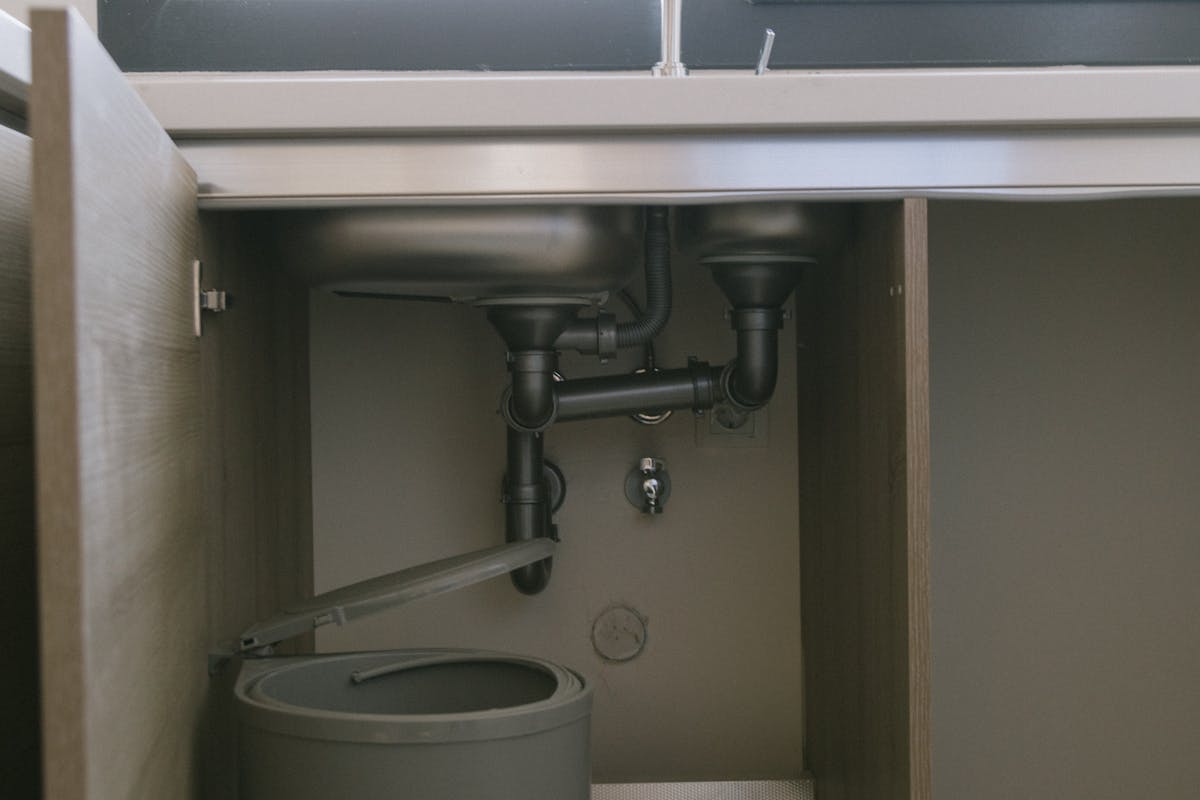
Kitchen drainage systems are designed to remove wastewater quickly while preventing sewer gases from entering the home. This requires precise pipe slopes, venting, and traps. Even small installation errors can cause slow drains or unpleasant odors.
Homeowners often underestimate how much planning goes into proper drainage. The location of the sink, dishwasher, and garbage disposal all influence the drain layout. Drainpipes must slope downward at the correct angle to allow gravity to do its job without causing clogs.
Vent pipes play a critical role by allowing air into the system. Without proper venting, drains can gurgle, empty slowly, or pull water out of traps. A well-designed drainage system is quiet, efficient, and odor-free.
The Role of P-Traps and Vents
Every kitchen sink must have a P-trap, which holds a small amount of water to block sewer gases. Vents ensure proper air pressure in the system, allowing wastewater to flow smoothly.
Improper venting is a common issue in DIY or poorly planned installations. It often leads to recurring drainage problems that require professional correction.
Why Drain Slope Matters
Drainpipes must slope downward at a consistent rate, usually about 1/4 inch per foot. Too little slope causes standing water, while too much slope allows water to outrun solid waste.
A correct slope ensures efficient drainage and reduces the risk of clogs over time.
Kitchen Sink Plumbing Installation and Fixture Connections
The kitchen sink is the heart of the plumbing system, making its installation especially important. It connects directly to both the water supply and drainage systems and often supports additional fixtures like garbage disposals and dishwashers.
Sink plumbing installation requires precise alignment and secure connections. Even small leaks under the sink can cause cabinet damage, mold growth, and costly repairs. Homeowners should understand what proper installation looks like to ensure quality work.
Fixture placement also affects usability. The height of the sink, location of shutoff valves, and spacing for appliances all contribute to long-term comfort and convenience.
Sink Supply Lines and Shutoff Valves
Supply lines connect the sink faucet to hot and cold water pipes. Modern installations typically include individual shutoff valves for easy maintenance.
Shutoff valves allow homeowners to isolate the sink without turning off water to the entire house. This small detail makes future repairs much easier.
Connecting Dishwashers and Garbage Disposals
Dishwashers and garbage disposals connect directly to the sink drain system. Proper installation prevents backflow and clogs.
Common best practices include:
- Installing a high loop or air gap for dishwasher drains
- Using properly sized fittings for garbage disposal connections
- Ensuring all connections are tightly sealed
Plumbing Codes and Permits Homeowners Should Know
Building codes exist to protect homeowners from unsafe plumbing practices. Kitchen plumbing installation must comply with local regulations governing pipe materials, sizing, venting, and backflow prevention.
Many homeowners are surprised to learn that even small plumbing changes can require permits. Moving a sink, adding a dishwasher, or installing a gas-powered appliance often triggers inspection requirements.
Understanding these rules helps homeowners avoid fines, failed inspections, and insurance issues. Code-compliant work also protects home value and resale potential.
Common Code Requirements for Kitchens
While codes vary by location, most include:
- Minimum pipe diameters for supply and drains
- Required venting methods
- Approved materials for potable water
- Backflow prevention for dishwashers
Licensed plumbers are familiar with these requirements and ensure installations pass inspection.
Why Permits Matter
Permits create a paper trail that confirms work was done correctly. This is especially important when selling a home or filing insurance claims.
Unpermitted plumbing work can delay sales and lead to costly corrections later.
Planning a Kitchen Plumbing Installation or Remodel
Proper planning is the key to a successful kitchen plumbing installation. Homeowners should consider layout, appliance placement, and future needs before any work begins. Early planning reduces surprises and keeps projects on budget.
Kitchen remodels often involve relocating sinks or appliances. These changes can require significant plumbing adjustments behind walls and under floors. Understanding what’s involved helps homeowners set realistic expectations.
Planning also includes choosing fixtures that match water pressure, usage habits, and design goals. Not all fixtures perform equally, even if they look similar.
Questions to Ask Before Starting
Homeowners should ask:
- Will the sink or appliances be moved?
- Are existing pipes in good condition?
- Will upgrades require permits?
- Is the current water pressure adequate?
Clear answers upfront prevent delays and budget overruns.
Designing for Future Needs
Planning for future upgrades, such as water filtration systems or additional appliances, can save money later. Adding access points or extra shutoff valves during installation is often inexpensive compared to retrofitting.
Common Kitchen Plumbing Installation Mistakes to Avoid
Even small mistakes in kitchen plumbing installation can lead to long-term problems. Homeowners should be aware of common issues so they can spot red flags during installation or inspection.
Mistakes often occur when work is rushed or performed without proper planning. DIY installations are especially prone to errors that may not be obvious right away.
Being informed allows homeowners to ask the right questions and insist on quality workmanship.
Frequent Installation Errors
Common mistakes include:
- Improper drain slope
- Missing or incorrect venting
- Loose or mismatched fittings
- Skipping shutoff valves
- Using unapproved materials
These issues may not cause immediate problems, but often lead to leaks or clogs over time.
The Cost of Cutting Corners
Poor installation can result in water damage, mold, and expensive repairs. Fixing mistakes later almost always costs more than doing the job right the first time.
When to Hire a Professional Plumber
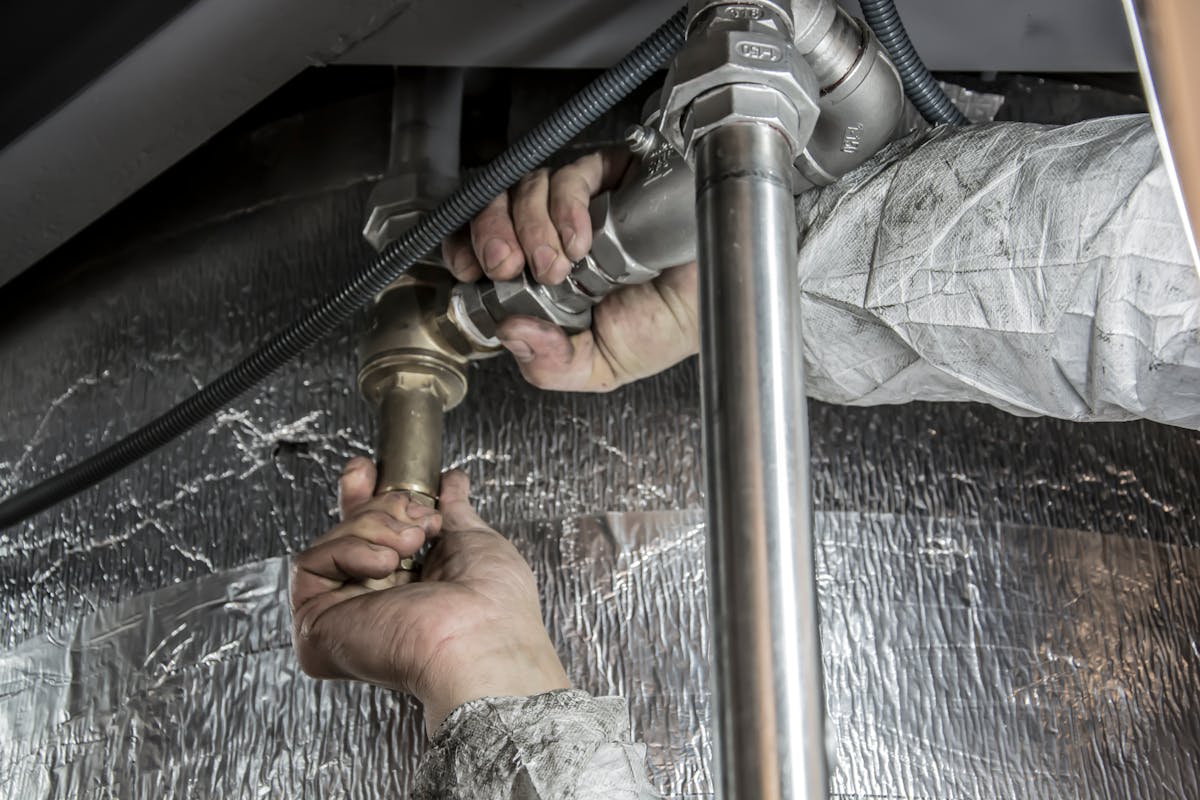
While some minor plumbing tasks are DIY-friendly, full kitchen plumbing installation usually requires professional expertise. Licensed plumbers have the training, tools, and code knowledge needed to ensure safe and durable results.
Homeowners benefit from professional installation through warranties, inspections, and peace of mind. Experienced plumbers also identify potential issues that homeowners may overlook.
Hiring a professional is especially important for remodels, new construction, or homes with older plumbing systems.
Signs You Need a Professional
You should hire a plumber if:
- Pipes need to be relocated
- New appliances are being added
- Existing pipes show corrosion or leaks
- Permits and inspections are required
Professional guidance helps avoid costly mistakes.
How to Choose the Right Plumber
Look for licensed, insured plumbers with experience in kitchen installations. Ask for references and detailed estimates to ensure transparency.
Long-Term Maintenance After Installation
Once kitchen plumbing installation is complete, proper maintenance helps extend system life. Routine checks prevent small issues from becoming major repairs.
Homeowners should periodically inspect under-sink areas for leaks and listen for unusual drain noises. Prompt attention to minor problems protects cabinets and flooring.
Regular maintenance also supports water efficiency and hygiene.
Simple Maintenance Tips
Homeowners can:
- Avoid pouring grease down drains
- Use strainers to catch food debris
- Run water regularly in unused fixtures
- Schedule periodic inspections
These habits reduce clogs and extend pipe lifespan.
Knowing When to Upgrade
If plumbing components are outdated or frequently repaired, upgrading may be more cost-effective. Modern materials offer better durability and efficiency.
Final Thoughts on Kitchen Plumbing Installation
Kitchen plumbing installation is more than just connecting pipes—it’s a system that supports daily life and protects your home. Understanding how pipes, drains, and fixtures work together empowers homeowners to make informed decisions and avoid costly mistakes.
Whether you’re planning a remodel or simply learning how your kitchen functions, knowledge is your best tool. With proper planning, quality materials, and professional installation, a kitchen plumbing system can perform reliably for decades.
