

DIY vs. Professional Kitchen Plumbing Repairs: When to Call a Plumber
- Some minor kitchen plumbing issues, like dripping faucets or loose connections, are safe for homeowners to fix with basic tools and preparation.
- Plumbing problems involving hidden leaks, pipe damage, or water pressure changes should be handled by a licensed professional.
- DIY repairs may save money upfront, but can lead to higher long-term costs if done incorrectly or without proper diagnosis.
- Professional plumbers offer expertise, proper tools, and code-compliant repairs that reduce the risk of future damage.
- Knowing when to call a plumber helps protect your home from water damage and preserves the value of your kitchen plumbing system.
Kitchen plumbing issues can be frustrating for homeowners. It’s often tempting to grab a wrench and try a quick fix. While some minor problems are manageable with basic tools and patience, others can escalate quickly if handled incorrectly. Knowing the difference between a safe DIY repair and a situation that calls for professional help can save you time, money, and potential water damage.
This guide breaks down when do-it-yourself solutions make sense and when calling a licensed plumber is the smarter choice for protecting your home.
DIY vs. Professional Kitchen Plumbing Repairs: How Do You Decide?
Deciding between DIY vs. professional kitchen plumbing repairs often comes down to risk, complexity, and long-term impact. Many homeowners attempt repairs to save money, especially when the issue seems small or manageable. However, plumbing systems are interconnected, and one incorrect adjustment can affect water pressure, drainage, or even nearby fixtures. A repair that appears simple on the surface may be hiding corrosion, worn seals, or outdated components behind the wall.
Another key factor is experience. If you understand basic plumbing concepts and can confidently shut off the water supply, some tasks are reasonable to attempt. On the other hand, professional plumbers bring specialized tools, training, and diagnostic skills that allow them to identify root causes instead of temporary fixes. Weighing short-term savings against potential long-term costs is essential before deciding how to proceed.
DIY-friendly kitchen plumbing tasks
- Replacing a worn-out faucet aerator
- Tightening loose connections under the sink
- Clearing minor clogs with a plunger or drain snake
- Replacing a kitchen faucet using the manufacturer’s instructions
Which Kitchen Plumbing Problems Are Safe to Fix Yourself?
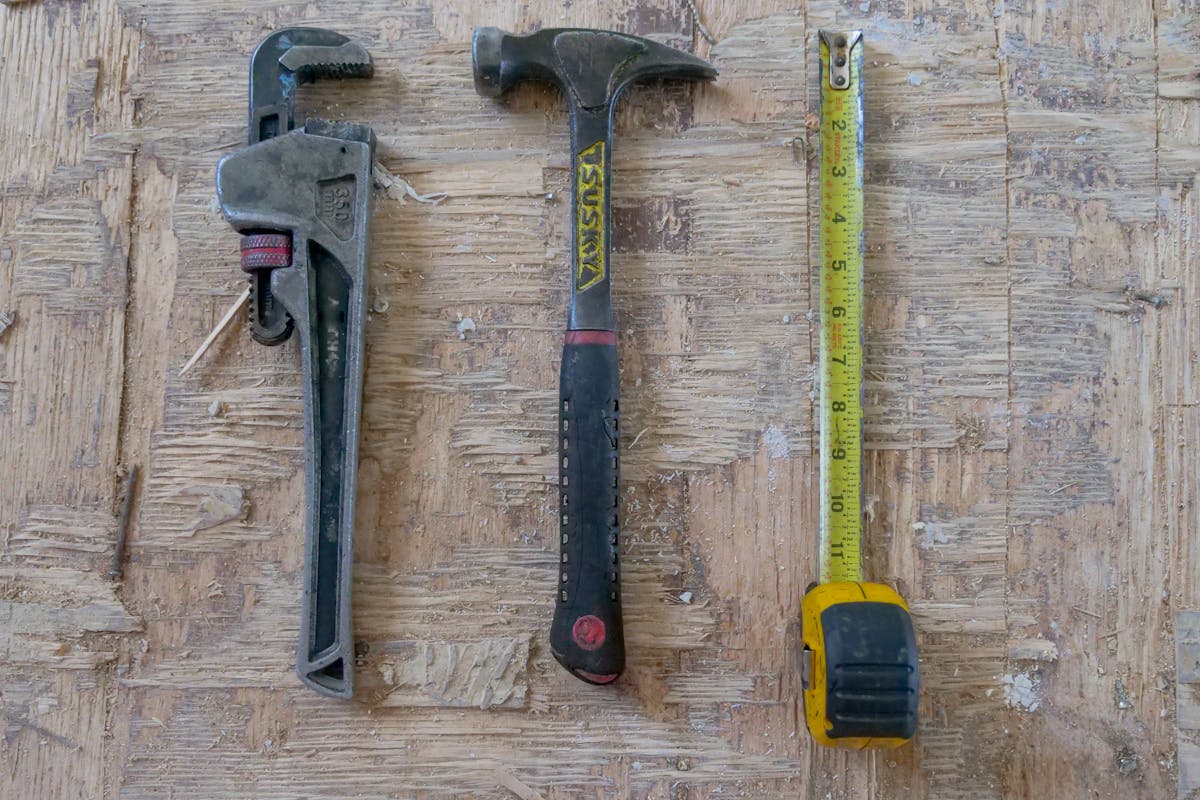
Some kitchen plumbing issues are low-risk and well within the abilities of most homeowners. These typically involve accessible components that do not require cutting pipes or altering water lines. DIY repairs can be effective when the problem is visible, the fix is clearly defined, and replacement parts are readily available. Tasks like swapping out washers or resealing connections often take less than an hour and require minimal tools.
However, even safe DIY projects require preparation. Homeowners should always shut off the water supply, protect surrounding cabinets from leaks, and test the repair thoroughly before resuming normal use. Reading instructions carefully and avoiding shortcuts reduces the chance of recurring problems. If the issue does not improve after one attempt, it may signal a deeper problem that requires professional attention.
Common DIY kitchen plumbing repairs
- Fixing a dripping faucet caused by a worn cartridge
- Replacing a damaged P-trap under the sink
- Re-sealing sink edges to prevent water seepage
- Installing a new garbage disposal flange
When Should You Call a Professional Plumber?
Certain kitchen plumbing problems should never be handled as DIY projects due to safety risks and potential code violations. Issues involving hidden leaks, water pressure irregularities, or pipe damage behind walls require professional assessment. A licensed plumber can identify whether the problem is isolated or part of a larger system failure. Attempting these repairs without proper tools may worsen damage and increase repair costs.
Professional plumbers are also essential for complex work, such as kitchen plumbing installation projects or upgrades. Installing new water lines, relocating sinks, or connecting dishwashers incorrectly can lead to leaks and mold growth over time. Professionals ensure that repairs meet local building codes and manufacturer specifications, protecting both your home and its resale value.
Situations that require professional help
- Persistent leaks with no visible source
- Burst or corroded pipes
- Sewage odors or recurring drain backups
- Water pressure problems affecting multiple fixtures
What Are the Long-Term Costs of DIY vs. Professional Repairs?
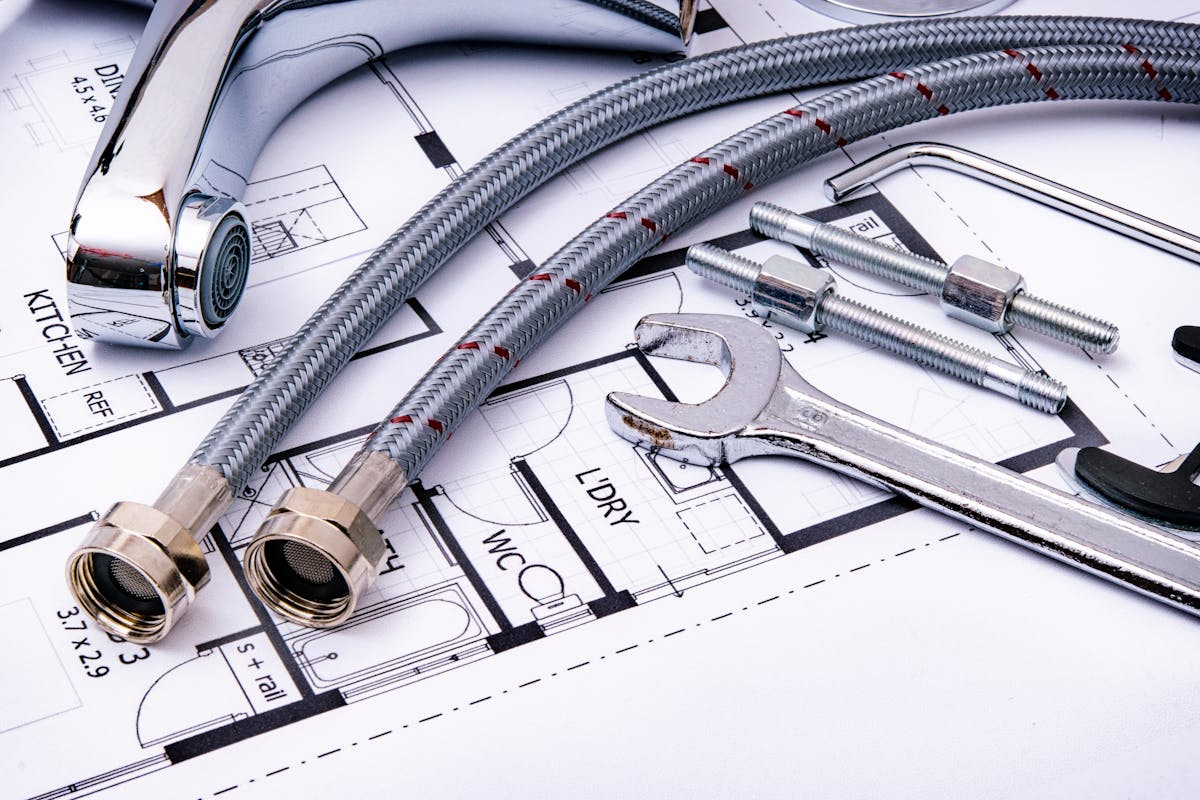
While DIY repairs may appear cheaper upfront, long-term costs can tell a different story. Temporary fixes or incorrect installations often lead to repeated issues, water damage, or the need for emergency service calls. Professional repairs typically include warranties or service guarantees, offering peace of mind and financial protection if problems recur. Over time, this reliability can outweigh the initial expense.
Additionally, professional plumbers can recommend preventive solutions that extend the lifespan of your kitchen plumbing system. Identifying aging pipes, upgrading valves, or improving drainage design can prevent future failures. Homeowners who view plumbing maintenance as an investment rather than a quick fix are more likely to avoid costly surprises down the road.
Cost considerations to keep in mind
- DIY repairs may void appliance or fixture warranties
- Professional work reduces the risk of hidden water damage
- Preventive maintenance lowers long-term repair expenses
Final Thoughts: Making the Right Choice for Your Home
Choosing between DIY and professional kitchen plumbing repairs depends on knowledge, comfort level, and the complexity of the problem. Simple, visible fixes are often safe to handle yourself, while hidden or recurring issues deserve expert attention. When in doubt, consulting a professional can prevent small problems from becoming major repairs. For homeowners, the right decision is the one that protects both the plumbing system and the home itself.
