Buying a home is one of the biggest financial and lifestyle decisions you’ll ever make. While it’s easy to fall in love with a property’s layout, location, or curb appeal, those surface-level impressions rarely tell the full story. Behind the walls, under the floors, and above the ceilings, there may be issues that could significantly impact your comfort, safety, and long-term budget.
That’s why taking a service-based approach to evaluating a property is so important. Instead of relying solely on a standard home inspection, savvy buyers dig deeper—bringing in specialists to assess key systems and structures. These professionals can help identify hidden problems, estimate future costs, and give you leverage during negotiations.
In this guide, we’ll walk through the most important services to consider before purchasing a home. You’ll learn what to look for, who to call, and how to make informed decisions that protect your investment for years to come.
Schedule a Comprehensive Property Inspection Early
A general home inspection is a critical first step, but timing and depth matter more than many buyers realize. Scheduling inspections as early as possible in the buying process gives you room to react, renegotiate, or walk away if necessary.
While a standard inspection covers basic systems, it may not go far enough in identifying complex or hidden issues. That’s where additional expertise becomes valuable.
Key steps to take:
- Book your inspection immediately after your offer is accepted
- Attend the inspection in person to ask questions in real time
- Request a detailed report with photos and recommendations
In some cases, it’s worth bringing in a general contractor to provide a broader perspective. They can evaluate the home holistically, helping you understand how different systems interact and what improvements may be needed in the near future.
Additionally, don’t rely solely on visual assessments for the upper structure of the home. A dedicated roof inspection can uncover issues like:
- Hidden leaks or moisture intrusion
- Structural sagging or weakened decking
- Improper ventilation leading to long-term damage
Catching these problems early can save you from unexpected repair bills and give you leverage to negotiate repairs or price adjustments.
Evaluate the Condition of the Roof and Exterior Systems
The exterior of a home serves as its first line of defense against the elements. Any weaknesses here can lead to costly interior damage if left unaddressed.
Start by visually examining the roof, siding, gutters, and any detached structures. Look for obvious signs of wear, such as missing shingles, cracks, or water stains. However, even if everything appears intact, underlying problems may still exist.
Hiring a professional roofing service is one of the best ways to ensure a thorough evaluation. They can provide insight into:
- The remaining lifespan of roofing materials
- Whether repairs or replacement are needed
- Potential drainage or ventilation issues
Beyond the main structure, don’t forget to assess additional features like a custom shed. While these may seem like minor additions, they can introduce hidden costs if they are poorly constructed or not properly maintained.
Things to check for exterior structures:
- Foundation stability and leveling
- Signs of rot, mold, or pest damage
- Electrical or water connections that may not meet code
Understanding the condition of these elements helps you avoid unexpected expenses and ensures that every part of the property is accounted for in your decision.
Assess Plumbing Systems for Long-Term Reliability
Plumbing issues are among the most common—and costly—problems homeowners face. Unfortunately, many of these issues aren’t immediately visible during a casual walkthrough.
A deeper evaluation of the home’s plumbing installation can reveal whether the system is up to modern standards or in need of upgrades.
Watch for these warning signs:
- Low or inconsistent water pressure
- Discolored water or unusual odors
- Slow drains or frequent backups
- Visible corrosion on exposed pipes
Older homes, in particular, may have outdated piping materials that are prone to leaks or failure. Even newer properties can have problems if the installation was done improperly.
During your inspection, consider asking a specialist to:
- Check for hidden leaks using advanced tools
- Evaluate the condition of water heaters and fixtures
- Assess whether the system meets local building codes
Taking these steps can help you determine whether minor fixes are sufficient or if a larger investment will be required after purchase.
Inspect Heating and Cooling Systems Thoroughly
Comfort inside the home depends heavily on the performance of its heating and cooling systems. These systems are also among the most expensive to repair or replace, making them a critical area of focus during your evaluation.
Start by identifying the age and type of system in place. Most units have a lifespan of 10–20 years, depending on maintenance and usage.
If the system is nearing the end of its life, you may need to plan for hv ac installation sooner than expected. This can significantly impact your budget, especially if ductwork or electrical upgrades are also required.
Key inspection tips:
- Ask for maintenance records and service history
- Listen for unusual noises during operation
- Check for uneven heating or cooling throughout the home
In some cases, a targeted furnace repair may be enough to restore functionality. However, repeated repairs can quickly add up, making replacement the more cost-effective option in the long run.
Understanding the condition of these systems allows you to:
- Budget accurately for future upgrades
- Negotiate with the seller based on findings
- Avoid unexpected breakdowns after moving in
Don’t Overlook Air Conditioning Performance and Efficiency
Cooling performance is especially important if you’re buying in a region with hot or humid summers. Even if the system appears to be working, inefficiencies can lead to high energy bills and reduced comfort.
Testing the system during a walkthrough can provide valuable insights. Turn it on, let it run, and pay attention to how quickly and evenly the home cools.
If the system struggles to maintain temperature, it may be time to consider ac installation. Modern systems are far more energy-efficient and can significantly reduce operating costs.
What to evaluate:
- Airflow strength from vents
- Temperature consistency between rooms
- Signs of leaks or damaged ductwork
Beyond basic performance, it’s also important to understand the age and maintenance history of the system. Units that are more than 10–15 years old are often significantly less efficient than newer models and may be nearing the end of their lifespan. Ask the seller for service records to determine whether the system has been regularly maintained, as neglected systems are more prone to breakdowns and costly repairs.
You should also take note of any unusual odors, excessive humidity indoors, or loud operation, as these can signal underlying issues such as mold in the ducts, refrigerant problems, or failing components. In some cases, a system may still function but operate inefficiently due to outdated technology or poor installation practices.
Additionally, consider having a professional HVAC technician perform a more detailed evaluation. They can measure system output, inspect internal components, and identify inefficiencies that aren’t visible during a walkthrough. This added step can give you a clearer picture of whether minor servicing will suffice or if a full replacement is the smarter long-term investment.
Upgrading an outdated system not only improves comfort but can also increase the overall value of the home.
Check Pools and Outdoor Features for Hidden Costs
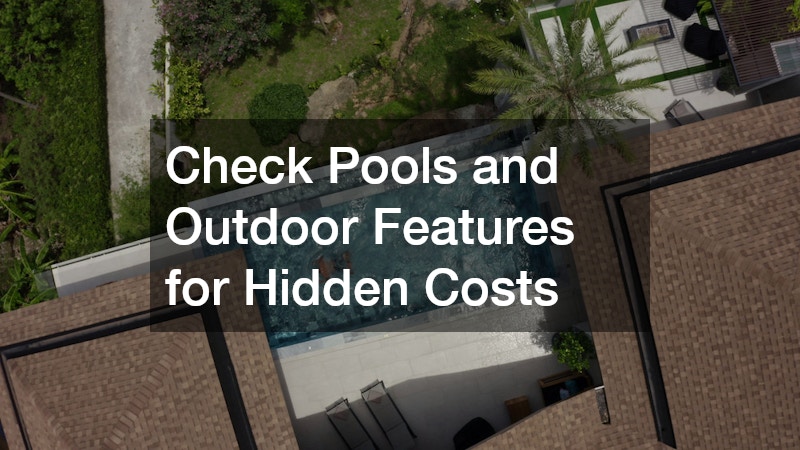
Outdoor amenities can be a major selling point, but they often come with ongoing maintenance requirements that buyers underestimate.
Pools, in particular, require careful evaluation. Even minor issues can escalate into major repairs if left unaddressed.
Bringing in a professional for a pool repair assessment can help identify:
- Cracks or structural damage in the pool shell
- Malfunctioning pumps, filters, or heaters
- Leaks that could lead to water loss and higher bills
Additional considerations:
- Safety features such as fencing and covers
- Compliance with local regulations
- The age and condition of surrounding decking
Beyond the pool itself, it’s important to evaluate all outdoor features as part of the overall property. Patios, retaining walls, outdoor kitchens, and drainage systems can all contribute to hidden costs if they haven’t been properly maintained. Look for signs of shifting, cracking, or water pooling, as these may indicate underlying structural or grading issues.
You should also factor in seasonal maintenance expenses, including cleaning, chemical balancing, and winterization if you live in a colder climate. These recurring costs can add up quickly and should be included in your long-term budget.
If the property includes landscaping elements like irrigation systems, check for proper operation and coverage. Faulty systems can lead to wasted water and increased utility bills. Additionally, consider the time and effort required to maintain the outdoor space, especially if it includes large lawns or intricate designs.
Taking a comprehensive approach to evaluating outdoor features ensures you won’t be caught off guard by unexpected repairs or ongoing upkeep demands after moving in.
Review Interior Surfaces and Finishes Carefully
Interior finishes play a big role in a home’s overall appearance, but they can also reveal underlying issues.
Fresh interior painting, for example, may seem like a positive upgrade. However, it can sometimes be used to conceal problems such as water damage, mold, or poor workmanship.
What to look for:
- Uneven paint coverage or bubbling
- Cracks in walls or ceilings
- Soft spots that may indicate moisture intrusion
Take your time inspecting each room, paying close attention to areas around windows, doors, and plumbing fixtures. These are common trouble spots where issues tend to appear first.
If you notice anything suspicious, consider bringing in a specialist to investigate further. Identifying these problems early can prevent costly repairs down the line.
In addition to visual flaws, pay attention to how surfaces feel and function. Doors and cabinets should open and close smoothly, and trim work should be securely attached without gaps or warping. These details can indicate the overall quality of workmanship throughout the home. Poor finishing work may suggest that corners were cut during renovations, which could extend to more critical systems behind the walls.
You should also look for signs of repeated patchwork, such as mismatched textures or areas that have been repainted multiple times. This can signal recurring issues that were never fully resolved. Pay close attention to ceilings, especially below bathrooms or kitchens, where hidden leaks are more likely to occur.
Lighting can also help reveal imperfections. View walls from different angles and in natural light to spot inconsistencies that might not be obvious at first glance. A thorough evaluation of interior surfaces not only helps you assess aesthetic quality but also provides valuable clues about the home’s overall condition and maintenance history.
Understand the Value of Hiring the Right Professionals

Navigating the home-buying process can feel overwhelming, especially when multiple systems and services are involved. That’s why assembling the right team of professionals is so important.
A general contractor can serve as a central point of contact, helping coordinate inspections and interpret findings. Their experience allows them to see the bigger picture and provide practical recommendations.
Tips for choosing the right professionals:
- Verify licenses and certifications
- Read reviews and ask for references
- Compare multiple quotes before making a decision
Working with a trusted roofing service or other specialists ensures that each aspect of the home is evaluated thoroughly. This collaborative approach reduces the risk of overlooking critical issues.
Create a Pre-Purchase Repair and Upgrade Plan
Once all inspections are complete, it’s time to turn your findings into a clear plan of action. This step is often overlooked, but it’s essential for making informed decisions.
Start by organizing issues into categories:
- Immediate repairs that must be addressed before move-in
- Short-term upgrades to improve comfort and efficiency
- Long-term projects that can be planned over time
For example, combining insights from roofing service evaluations and hvac installation assessments can help you prioritize major investments.
How to build your plan:
- Estimate costs for each repair or upgrade
- Set a realistic budget for the first year of ownership
- Use inspection reports to negotiate with the seller
Having a structured plan not only reduces stress but also ensures that you’re financially prepared for the responsibilities of homeownership.
Buying a home is about more than finding the perfect layout or location—it’s about making a smart, informed investment. By taking the time to evaluate key systems and bring in the right professionals, you can uncover hidden issues, avoid costly surprises, and plan for the future with confidence.
Approaching the process with a service-focused mindset gives you a deeper understanding of the property and empowers you to make decisions that align with your goals. Whether you’re a first-time buyer or a seasoned homeowner, these steps can help ensure that your next purchase is a sound and successful one.