
Owning a home is one of the largest financial commitments most people will ever make, and protecting that investment requires more than occasional repairs when something breaks. Homes naturally experience wear over time—from weather exposure and system aging to moisture intrusion and everyday usage. Without consistent attention, small issues can escalate into expensive structural problems that reduce both safety and property value.
The most effective way to preserve a home’s condition is through proactive maintenance and timely professional intervention. By understanding which areas of a property require specialized attention, homeowners can prevent damage before it spreads and avoid costly emergency repairs. The following sections outline the most important areas of home protection and the professional support systems that help maintain long-term stability, comfort, and value.
Protecting Your Home’s Exterior From Weather Damage
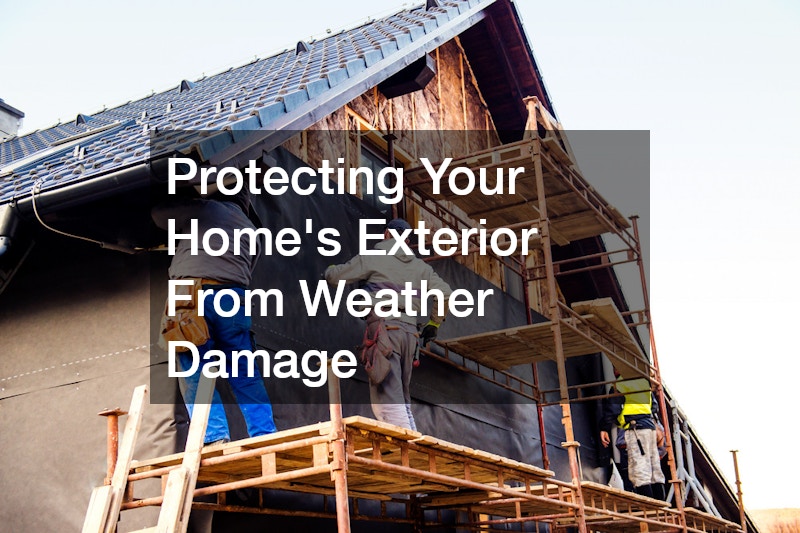
Roofs are one of the most vulnerable parts of any home, constantly exposed to rain, wind, sun, and seasonal temperature changes. When damage occurs, it often starts small but can quickly lead to leaks, insulation issues, and structural deterioration if not addressed promptly. Even minor exposure issues, such as cracked shingles or weakened sealant, can gradually compromise the entire roofing system if left unchecked over time. In colder climates, freeze-thaw cycles can worsen existing weaknesses, causing materials to expand and contract in ways that accelerate deterioration.
Working with experienced roofers ensures that potential problems are identified early. These professionals understand how to detect subtle warning signs that homeowners often overlook, such as minor shingle displacement or early-stage flashing failure. They can also evaluate attic ventilation, which plays a crucial role in preventing moisture buildup and extending roof lifespan. In many cases, early intervention by qualified experts prevents the need for full roof replacement, saving homeowners significant expense and disruption.
Regular upkeep through roofing services can significantly extend the life of a roof and reduce long-term repair costs. Preventative care is far more cost-effective than waiting for visible leaks or interior damage. These services often include detailed inspections, sealant reinforcement, and minor repairs that help maintain the roof’s protective barrier year-round. Professional maintenance also ensures compliance with manufacturer warranties, which often require documented inspections.
Key maintenance tips include:
- Scheduling roof inspections at least once per year
- Checking after major storms for missing or lifted materials
- Ensuring gutters remain clear to prevent water backup
- Addressing small leaks immediately before they spread
- Trimming overhanging tree branches to reduce debris buildup and surface abrasion
- Monitoring attic spaces for early signs of moisture or mold development
By staying proactive, homeowners can maintain structural integrity and prevent costly interior damage caused by unnoticed roof issues. Consistent attention to these details not only preserves the roof itself but also protects insulation, framing, and interior finishes from long-term weather-related deterioration.
Improving High-Use Interior and Property Boundaries
Interior wet spaces and exterior boundaries both play a major role in long-term home durability. Bathrooms, in particular, are exposed to constant moisture, making them one of the most common areas for deterioration if not properly maintained or upgraded. Over time, small issues like hidden leaks, deteriorating grout, or insufficient ventilation can lead to structural damage behind walls, weakened subflooring, and persistent moisture problems that are expensive to correct if ignored.
Professional bathroom remodelers help homeowners modernize these spaces with durable materials and improved layouts that reduce long-term maintenance needs. Proper ventilation, water-resistant surfaces, and efficient plumbing design are essential to preventing future issues. In addition to aesthetics, remodelers often focus on long-term functionality, such as improving drainage flow, upgrading waterproofing systems, and selecting materials that resist mold and humidity buildup. These improvements not only enhance comfort but also reduce the likelihood of recurring maintenance problems.
Outside the home, boundaries also require attention. Secure and well-built fencing helps protect privacy, define property lines, and improve curb appeal. Over time, weather, soil movement, and aging materials can weaken these structures, leading to leaning posts, broken panels, or reduced stability. In some cases, full fence installation becomes necessary to restore security and ensure the structure meets current durability standards. Proper installation ensures correct post depth, alignment, and material selection based on climate exposure and soil conditions, all of which significantly impact long-term performance.
Important considerations include:
- Choosing moisture-resistant flooring and wall materials indoors
- Ensuring proper bathroom ventilation systems are installed
- Selecting durable fencing materials suited for local climate conditions
- Inspecting fence posts for shifting, rot, or instability
- Evaluating whether repair or full fence installation is more cost-effective long-term
- Sealing bathroom surfaces regularly to prevent water penetration and mold growth
A well-maintained interior and secure perimeter both contribute significantly to preserving overall property value. Together, these improvements ensure that high-moisture indoor areas and exposed outdoor structures remain functional, safe, and visually appealing for years to come.
Strengthening Exterior Access Points and Surface Durability
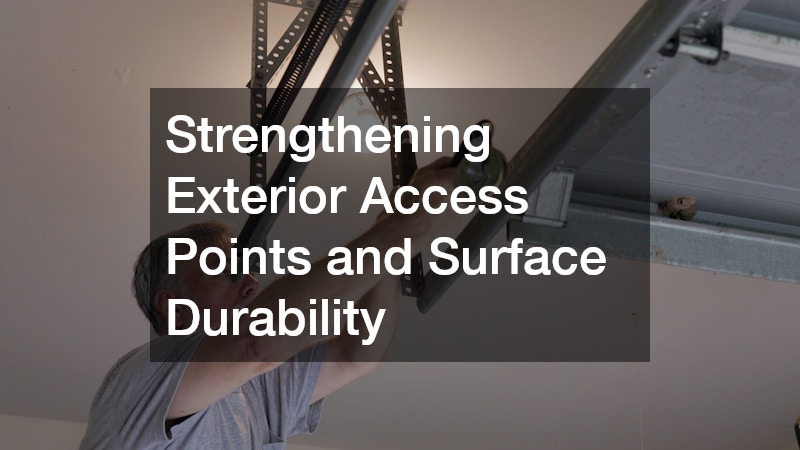
A home’s exterior access points play a critical role in both security and functionality. Garage systems are often used daily, making them especially susceptible to wear and mechanical failure. Over time, repeated opening and closing cycles can strain springs, tracks, rollers, and motors, leading to gradual performance decline. If these issues are not addressed early, they can result in sudden breakdowns that compromise both safety and convenience, especially during extreme weather conditions when reliable access is most important.
Professional garage door installation ensures that systems are correctly balanced, safely installed, and equipped with modern safety features. A properly installed system also improves energy efficiency and home security. Beyond installation quality, alignment and calibration are crucial, as even slight imbalances can cause uneven wear on mechanical parts. Modern systems may also include insulation upgrades that help regulate indoor temperatures, particularly in attached garages that influence nearby living spaces.
Driveways and paved surfaces are equally important. Cracks, drainage issues, and surface deterioration can lead to larger structural problems if ignored. This is where asphalt paving contractors become essential, as they can assess damage and restore surfaces before they worsen. Poorly maintained driveways not only reduce curb appeal but can also create safety hazards such as tripping risks, vehicle damage, and water pooling that accelerates foundation edge erosion.
Actionable maintenance steps include:
- Testing garage door balance and responsiveness regularly
- Listening for unusual noises during operation
- Sealing cracks in paved surfaces early
- Ensuring proper drainage away from paved areas
- Lubricating moving garage door components to reduce friction and wear
- Clearing debris and vegetation from driveway edges to prevent surface breakdown
Maintaining these exterior components helps preserve both functionality and curb appeal while reducing long-term repair costs. Consistent attention to both mechanical systems and hardscaping ensures smoother daily use, improved safety, and stronger overall property durability.
Safeguarding Indoor Air Quality and Electrical Safety
Indoor environmental quality is often overlooked until problems become severe. Moisture intrusion can lead to hidden mold growth, which poses health risks and can damage structural materials over time. Because mold often develops behind walls, under flooring, or inside HVAC pathways, it may go unnoticed until occupants begin experiencing symptoms such as allergies, respiratory irritation, or persistent damp odors. Early detection is key to preventing widespread contamination and expensive structural remediation.
A professional mold remediation service is essential when signs of mold appear. These specialists not only remove affected materials but also identify underlying moisture sources to prevent recurrence. Their process typically includes containment of affected areas, air filtration, and targeted removal of contaminated building materials. Just as importantly, they address the root cause—such as plumbing leaks, roof intrusion, or poor ventilation—so the issue does not return after cleanup.
At the same time, electrical systems must be maintained to ensure safety and efficiency. Outdated wiring or overloaded circuits can increase the risk of electrical hazards, especially in older homes. As modern households rely on more high-demand appliances and smart devices, older systems may struggle to keep up, creating potential fire risks or frequent system interruptions.
A licensed electrician can evaluate system capacity, identify hazards, and recommend upgrades to meet modern energy demands. This may include panel upgrades, rewiring certain circuits, or installing additional outlets to reduce overload risk and improve convenience throughout the home.
Homeowners should watch for warning signs such as:
- Persistent musty odors or visible discoloration on walls
- Frequent breaker trips or flickering lights
- Outdated wiring or insufficient outlets
- Warm or discolored electrical panels
- Buzzing sounds from outlets or switches
- Slight shocks when touching appliances or switches
Preventative measures include:
- Routine electrical system inspections
- Addressing moisture issues immediately
- Upgrading outdated wiring systems
- Avoiding overloading circuits with high-demand appliances
- Using surge protection for sensitive electronics
Together, proper moisture management and electrical safety create a healthier, more secure living environment. Consistent monitoring and timely professional intervention help homeowners reduce risk, protect structural integrity, and maintain long-term peace of mind.
Maintaining Efficient Climate Control Systems
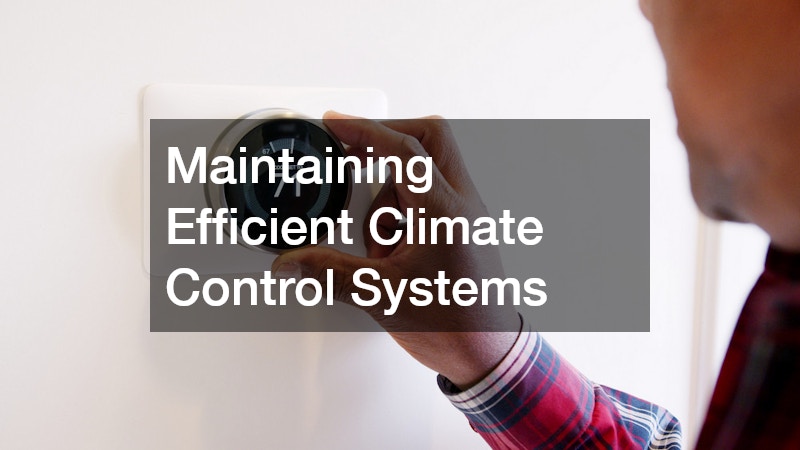
Heating and cooling systems are essential for year-round comfort, but they are also among the most energy-intensive components of a home. When they are not properly maintained, efficiency gradually declines, often without immediate warning signs. This slow decline can lead to uneven temperature distribution, increased humidity issues, and significantly higher utility bills over time. In extreme weather conditions, an inefficient system may struggle to maintain safe and comfortable indoor temperatures, placing additional strain on already aging components.
An experienced HVAC contractor plays a crucial role in maintaining system performance. They can assess equipment condition, recommend upgrades, and ensure systems are operating efficiently. Their evaluations typically go beyond surface-level checks, including airflow measurements, refrigerant balance testing, and ductwork inspections. This comprehensive approach helps identify inefficiencies that homeowners may not notice but that significantly impact long-term performance and energy consumption.
When systems begin to fail, timely HVAC repair becomes critical. Ignoring early warning signs can lead to complete system breakdowns, especially during extreme weather conditions. Prompt intervention not only restores comfort but also helps prevent secondary damage to system components, which can increase repair costs if left unresolved.
Common issues include:
- Uneven heating or cooling across rooms
- Unusual noises from system components
- Rising energy costs without increased usage
- Frequent cycling on and off
- Weak or inconsistent airflow from vents
- Difficulty maintaining set thermostat temperatures
Preventative maintenance strategies:
- Replacing air filters regularly to maintain airflow efficiency
- Scheduling seasonal system inspections before peak heating or cooling seasons
- Cleaning ducts and vents to reduce blockages and improve air quality
- Monitoring thermostat performance for calibration issues
- Inspecting outdoor units for debris buildup or obstruction
- Ensuring refrigerant levels remain within manufacturer specifications
By maintaining climate control systems proactively, homeowners can extend equipment lifespan and improve indoor comfort year-round. Consistent maintenance also reduces emergency repair needs, improves energy efficiency, and helps ensure reliable performance when the system is needed most.
Addressing Cooling System Issues Before Peak Demand
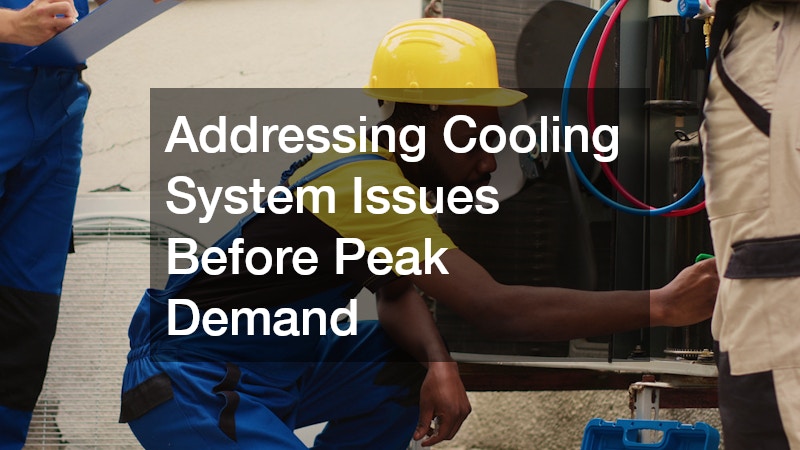
Air conditioning systems often experience the most strain during warm seasons when demand is highest. As temperatures rise, systems are forced to run longer cycles and work harder to maintain consistent indoor comfort. If small inefficiencies are present before peak season begins, they often become significantly more noticeable under heavy load. What might start as a minor airflow restriction or slight refrigerant imbalance can quickly escalate into a full system failure when demand is at its highest.
Timely ac repairs are essential to maintaining consistent cooling performance and avoiding emergency breakdowns. Small mechanical or electrical issues can quickly worsen if ignored. Addressing problems early not only restores cooling efficiency but also helps prevent damage to critical components such as compressors, capacitors, and evaporator coils. These parts are often costly to replace, making early intervention a practical way to reduce long-term expenses.
Homeowners can take several steps to reduce system strain and identify early problems:
- Replace or clean air filters regularly
- Ensure outdoor units are free of debris and vegetation
- Check thermostat accuracy and responsiveness
- Monitor airflow strength in different rooms
- Inspect condensate drains for clogs or blockages
- Verify that vents are not blocked by furniture or household items
Additional benefits of early repair include:
- Improved energy efficiency and lower monthly bills
- Reduced strain on system components
- Extended equipment lifespan
- More consistent indoor temperature control
- Fewer emergency service disruptions during peak summer heat
- Better humidity regulation throughout the home
Routine attention to cooling systems helps ensure reliable performance when it is needed most, reducing the likelihood of costly emergency service calls. Proactive maintenance also gives homeowners more predictable comfort levels, improved air quality, and greater confidence that the system will perform reliably during the hottest months of the year.
Protecting a home requires consistent attention, informed decision-making, and timely professional support across multiple systems and structures. From structural components to mechanical systems, every part of a property plays a role in maintaining safety, comfort, and long-term value.
By staying proactive and addressing small issues before they escalate, homeowners can significantly reduce repair costs and extend the lifespan of critical systems. Regular maintenance, combined with professional expertise, ensures that the home remains both functional and financially sound for years to come.