

Signs Your Homes Water Systems Need Professional Attention
A home’s water systems work quietly behind the scenes every day, making it easy to overlook problems until they become impossible to ignore. Clean water, reliable drainage, and proper wastewater management all depend on multiple interconnected components operating efficiently. When even one part begins to fail, the effects can spread throughout the property, leading to expensive repairs, water damage, or health concerns.
Many homeowners assume that noticeable leaks or complete system failures are the only reasons to call a professional. In reality, most major plumbing and water-related problems begin with subtle warning signs. Changes in water pressure, unusual noises, slow drains, unpleasant odors, or rising utility costs often indicate developing issues that can be addressed before they become emergencies.
Routine inspections and timely maintenance not only help extend the life of household systems but also improve water quality, reduce repair costs, and protect the value of the home. Understanding what to watch for allows homeowners to respond quickly and avoid unnecessary disruptions to daily life.
The following guide explains some of the most common signs that residential water systems require professional evaluation and why early intervention is often the most cost-effective solution.
Watch for Changes in Your Water Pressure and Supply
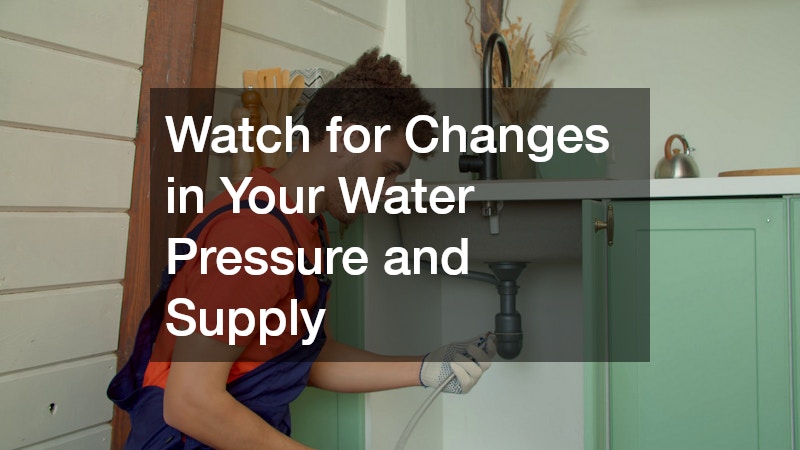
Consistent water pressure is something most homeowners take for granted until it suddenly changes. If faucets begin sputtering, showers lose pressure unexpectedly, or water flow fluctuates throughout the day, there may be an underlying problem that requires professional attention.
For homes supplied by private wells, declining performance often points to issues involving the well pump. Pumps naturally wear over time, and electrical components, pressure switches, or pressure tanks may also begin to fail after years of continuous operation. Ignoring these early symptoms can eventually lead to a complete loss of water service.
Other warning signs include unusual clicking noises, frequent cycling on and off, vibrating pipes, or extended periods before pressure returns after water usage. These symptoms often indicate that equipment is working harder than normal to maintain household demand.
Many modern well pump systems include multiple components that must work together properly, including pressure tanks, control switches, piping, electrical connections, and filtration equipment. A problem affecting any single component may reduce the overall performance of the system.
Water demand can also reveal hidden problems. If pressure decreases whenever multiple fixtures operate simultaneously, the system may no longer be sized appropriately for the home’s needs or certain components may require adjustment.
Professional inspections help identify the exact cause before expensive damage occurs. Rather than replacing equipment unnecessarily, technicians can evaluate each component, perform diagnostic testing, and recommend the most practical repair or replacement solution.
Regular maintenance also extends equipment life. Inspecting pressure settings, electrical connections, tank performance, and mechanical components annually can significantly reduce the likelihood of unexpected failures.
Don’t Ignore Changes in Water Quality
Water should consistently appear clear, taste clean, and remain free from unusual odors. When these characteristics begin changing, homeowners should investigate the cause rather than assuming the problem will disappear on its own.
Brown, reddish, cloudy, or yellow water may indicate sediment, mineral buildup, corrosion, or changes occurring within the water source itself. Metallic tastes, sulfur odors, or excessive hardness may also signal that treatment equipment is no longer performing effectively.
Many homeowners rely on water treatment systems to remove contaminants, improve taste, reduce minerals, or soften hard water. Like any mechanical equipment, filters, softeners, ultraviolet systems, reverse osmosis units, and treatment media require regular maintenance to continue functioning properly.
Replacing filters on schedule remains one of the simplest yet most important maintenance tasks. Clogged filters reduce water flow while allowing contaminants to bypass treatment systems or decrease overall effectiveness.
For homes served by private wells, scheduling regular water well service provides another layer of protection. Groundwater conditions naturally change over time due to seasonal weather, nearby construction, agricultural activity, or environmental factors. Periodic water testing identifies potential contaminants before they affect household health.
Routine testing may include bacteria, nitrates, iron, manganese, pH levels, hardness, and additional contaminants depending on local conditions. Professional testing provides far more accurate information than relying solely on appearance or taste.
Homeowners should also remain alert for stains appearing in sinks, tubs, or toilets. Orange stains often suggest elevated iron levels, while blue or green staining may indicate pipe corrosion. These seemingly cosmetic issues sometimes reveal larger problems developing within the water system.
Ignoring declining water quality not only affects daily comfort but may also shorten the lifespan of appliances such as water heaters, dishwashers, washing machines, and coffee makers. Addressing problems early protects both household health and expensive equipment.
Recognize Early Warning Signs Around Your Septic System

Homes served by septic systems require regular maintenance to continue operating safely and efficiently. Unlike municipal sewer systems, onsite wastewater systems depend on properly functioning tanks and drain fields to process household waste without creating environmental hazards.
One of the earliest signs that professional septic service may be needed is consistently slow drainage throughout the home. While a single clogged fixture usually affects only one drain, multiple slow drains occurring simultaneously often point toward problems within the septic system itself.
Persistent sewage odors inside the home or outdoors should never be ignored. Strong smells around the drain field, septic tank, or basement may indicate that wastewater is no longer flowing properly through the system.
Homeowners should also inspect their yards periodically. Areas of unusually green grass, standing water, soggy soil, or surface wastewater near the drain field frequently suggest that the system is becoming overloaded or failing to process wastewater effectively.
Routine septic pumping remains one of the most important preventive maintenance services available to homeowners. As solids accumulate inside the tank, they eventually reduce available storage capacity and increase the likelihood of solids entering the drain field. Once the drain field becomes damaged, repairs become significantly more expensive.
The recommended pumping schedule varies depending on household size, tank capacity, water usage, and waste generation. Larger families generally require more frequent maintenance than smaller households.
Simple daily habits also influence septic performance. Conserving water reduces stress on the system, while avoiding grease, wipes, feminine hygiene products, excessive household chemicals, and other non-biodegradable materials helps maintain healthy bacterial activity inside the tank.
Regular inspections allow professionals to monitor sludge levels, inspect baffles, examine tank integrity, and identify developing issues before they become major failures. Preventive care remains far less costly than replacing damaged septic components.
Pay Attention to Slow or Frequently Clogged Drains
Nearly every homeowner experiences an occasional clogged sink or shower drain. However, recurring blockages throughout the home often indicate more significant problems hidden deeper within the plumbing system.
If plunging temporarily resolves the issue only for the clog to return repeatedly, the obstruction may exist inside the main sewer line rather than within an individual fixture. Multiple drains backing up simultaneously, toilets gurgling during sink use, or water appearing in unexpected fixtures all suggest a larger drainage issue.
Professional sewer cleaner services use specialized equipment designed to diagnose and remove obstructions safely without damaging pipes. Video camera inspections provide valuable insight by identifying grease buildup, collapsed pipes, tree root intrusion, mineral deposits, or foreign objects blocking wastewater flow.
Tree roots remain one of the most common causes of recurring sewer problems. Roots naturally seek moisture and can enter tiny pipe cracks before expanding into larger blockages that restrict wastewater movement.
Grease buildup presents another frequent issue. Even small amounts of cooking grease gradually harden inside pipes, collecting additional debris until drainage slows significantly. Food scraps, soap residue, hair, and paper products contribute further accumulation over time.
Many homeowners instinctively reach for chemical drain cleaners when clogs appear. Unfortunately, these products often provide only temporary relief while potentially damaging certain pipe materials through repeated use. Severe blockages usually require mechanical cleaning methods that fully remove accumulated debris rather than creating a narrow opening through the obstruction.
Ignoring recurring drainage issues increases the likelihood of wastewater backups that can damage flooring, drywall, furniture, and personal belongings. Prompt professional evaluation often prevents more extensive repairs later.
Routine sewer inspections become especially valuable for older homes where aging pipes may develop cracks, corrosion, or shifting caused by soil movement and tree growth.
Notice Plumbing Problems Before They Spread
Many plumbing problems develop gradually, making them difficult to notice until substantial damage has already occurred. Developing the habit of routinely inspecting plumbing fixtures can help homeowners identify issues early while repairs remain relatively simple.
A reliable plumbing company can identify problems that homeowners may overlook during routine maintenance. Annual inspections often uncover hidden leaks beneath sinks, behind walls, beneath flooring, or around appliances before moisture creates structural damage or mold growth.
One of the most common warning signs is an unexplained increase in monthly water bills. If household water usage has remained consistent but costs continue rising, an undetected leak may be wasting hundreds of gallons each month.
Visible signs of moisture also deserve immediate attention. Water stains on ceilings, peeling paint, warped flooring, bubbling drywall, mold growth, or musty odors frequently indicate hidden plumbing leaks requiring prompt repair.
Individual fixtures may also provide clues. Dripping faucets, constantly running toilets, noisy pipes, slow fixture drainage, fluctuating water temperatures, or leaking shutoff valves often represent small issues that become much larger if ignored.
An experienced plumber can determine whether individual components require repair or if aging plumbing materials should be replaced entirely. Older galvanized pipes, deteriorating supply lines, worn valves, and corroded fittings often become increasingly unreliable with age.
Homeowners can also reduce future repair costs by creating a simple maintenance checklist. Periodically inspect exposed pipes, monitor appliance hoses, test shutoff valves, clean faucet aerators, check water heater operation, and verify that outdoor hose bibs remain leak-free.
Seasonal inspections are particularly valuable before winter weather arrives. Freezing temperatures increase the risk of burst pipes, making insulation and preventive maintenance especially important in colder climates.
Addressing minor plumbing concerns promptly protects not only the plumbing system itself but also the home’s structure, indoor air quality, and overall value.
Understand When Larger Water Management Systems Need Attention
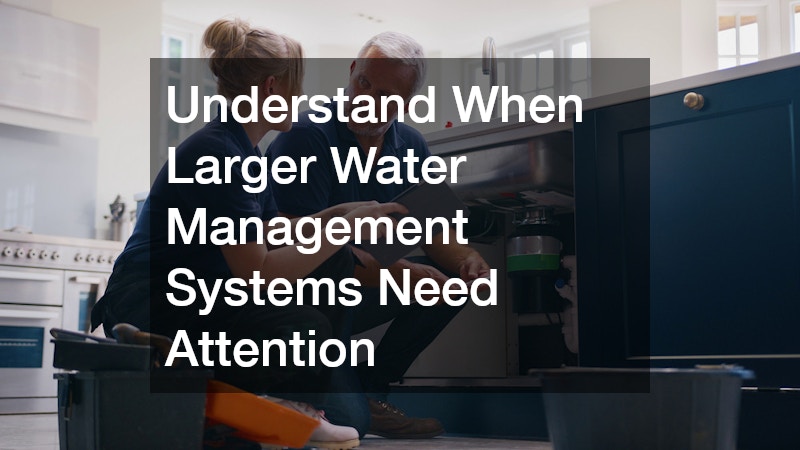
While many homeowners focus primarily on plumbing fixtures and visible equipment, larger wastewater management systems also require periodic evaluation to continue operating effectively. These systems play a critical role in protecting both household health and the surrounding environment.
Professional wastewater treatment services become particularly important for properties utilizing advanced onsite treatment systems or other specialized wastewater management equipment. Unlike conventional plumbing repairs, these systems involve multiple treatment stages that require technical knowledge to evaluate properly.
Warning signs of larger system issues often resemble common plumbing problems but may involve broader concerns. Persistent odors, unusually wet soil, recurring drainage issues, alarm activations, or unexpected changes in system performance all warrant professional investigation.
Neglected treatment systems may allow partially treated wastewater to reach nearby groundwater, streams, or surrounding soil. Beyond creating unpleasant conditions, these failures can present environmental and public health concerns that become increasingly expensive to correct if left unresolved.
Routine inspections help verify that pumps, filters, aerators, controls, distribution components, and treatment chambers continue functioning as designed. Professionals can also identify wear before individual components fail and disrupt the entire system.
Maintenance schedules vary depending on system design, household size, water usage, and manufacturer recommendations. Following recommended service intervals helps maximize equipment lifespan while maintaining treatment efficiency.
Homeowners should also remain aware of changes in household water usage. Major additions such as finished basements, extra bathrooms, home offices, or growing families increase demand on wastewater systems and may require adjustments to maintenance schedules.
Keeping accurate service records provides additional benefits. Documentation of inspections, maintenance, repairs, and component replacements allows technicians to identify long-term performance trends and make informed recommendations during future visits.
Treating wastewater infrastructure as an essential part of routine home maintenance helps prevent costly emergencies while protecting both the property and the surrounding community.
Stay Ahead of Problems With Consistent Preventive Care
Every home’s water systems work together to provide clean water, remove wastewater, and support comfortable daily living. Because these systems operate continuously, even small warning signs deserve attention before they develop into expensive repairs or complete equipment failures. Changes in water pressure, declining water quality, slow drainage, unusual odors, hidden leaks, and recurring plumbing issues all provide valuable opportunities to address problems early.
Routine inspections, timely maintenance, and prompt professional evaluations help extend equipment life while protecting the home’s structure, water quality, and overall value. By remaining proactive instead of waiting for emergencies, homeowners can reduce repair costs, improve system reliability, and enjoy greater peace of mind knowing their essential water infrastructure will continue serving their household safely and efficiently for years to come.
