
How Your Whole Property Affects Water Pressure in Your Bathroom
A weak trickle in the shower or a sudden spike that rattles your pipes rarely starts in the bathroom itself. Water pressure problems usually trace back to something happening elsewhere on your property, from the main supply line to the landscaping choices you made years ago. Understanding these connections can save you from replacing fixtures that were never the real problem. Before you call a plumber, it helps to look at the bigger picture of how your entire property influences the water flowing through your home.
Municipal Supply Lines and Private Well Systems
The source of your water plays a bigger role in bathroom pressure than most homeowners realize. Properties connected to a municipal system rely on the utility company to maintain adequate pressure at the street, typically somewhere between 40 and 80 psi. But that pressure can still fluctuate based on peak demand hours, aging infrastructure, or nearby construction that temporarily taps into the main line. If several neighbors are running sprinklers or showering during the same morning rush, you may notice a temporary dip in your own bathroom. Older cast iron mains, common in cities built before the 1960s, can also accumulate mineral scale and corrosion that narrows the effective pipe diameter over decades, quietly reducing the flow your property receives even when the utility’s output hasn’t changed. If you rely on a private well instead, the equation changes entirely, since your pressure depends on the pump, pressure tank, and the condition of the well itself. A properly sized pressure tank should cycle the pump on at around 40 psi and off around 60 psi; if that tank has a failing air bladder, you’ll feel sharp pressure swings every time a fixture is used. Well pumps also lose efficiency over time, especially if the well’s water table has dropped or sediment has begun clogging the intake screen. Because there’s no utility to call for troubleshooting, well owners need to treat the pump, tank, and pressure switch as ongoing maintenance items rather than a set-and-forget system.
Where your bathroom water comes from—a municipal line or a private well—plays a big role in how stable your pressure feels day to day. City water systems typically maintain pressure between 40 and 80 psi through a network of pumps and reservoirs, so fluctuations are usually tied to peak usage times in the neighborhood or nearby construction. Well systems, on the other hand, rely entirely on equipment located on your own property, which means any weak link directly affects your bathroom fixtures. Homeowners on well systems often notice pressure drops when the pressure tank waterlogs, the pressure switch malfunctions, or the pump starts to wear out. A waterlogged tank loses its air cushion and cycles the pump on and off rapidly, which can cause pressure to surge and then sag within seconds. In these cases, scheduling water well repair sooner rather than later can prevent a small drop in pressure from turning into a complete loss of water. Common warning signs include a pump that runs constantly, faucets that sputter before losing flow entirely, or a noticeable drop in pressure whenever more than one fixture runs at once. Catching these symptoms early often means the fix is as simple as recharging the tank’s air pressure or replacing a faulty switch. Waiting too long often means dealing with a full pump replacement instead of a simple adjustment, which can cost several times more and leave you without water for a day or longer.
Underground Pipe Corrosion and Material Age
The pipes running beneath your yard and through your walls have a lifespan, and older galvanized steel or corroded copper lines are common culprits behind weak bathroom pressure. Mineral buildup narrows the interior diameter of pipes over time, restricting flow even when the water source itself is perfectly healthy. This is especially common in homes built before the 1970s that haven’t had their plumbing updated.
Corrosion doesn’t happen evenly across a property, so you might notice pressure issues in one bathroom while another fixture runs fine. A licensed plumber can run a flow test to identify whether the problem is isolated to a single branch line or affects the whole system. Catching corrosion early often costs far less than dealing with a pipe failure later.
Tree Roots and Underground Pipe Intrusion
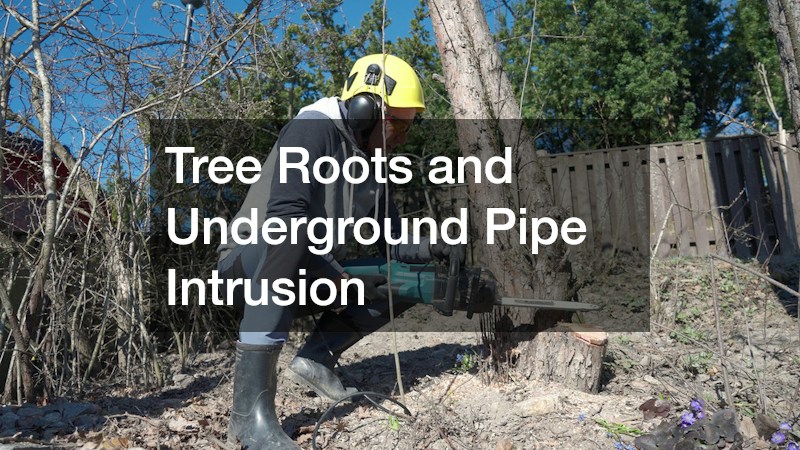
Trees add value and shade to a property, but their root systems can quietly wreak havoc on underground water lines. Roots are drawn to the moisture and warmth surrounding pipes, particularly older clay, cast iron, or even PVC lines with slightly loose joints. Over time they can crack joints, infiltrate small gaps, or crush sections of pipe entirely as they thicken with age. Species with aggressive root systems, like willows, maples, and poplars, are especially notorious for seeking out buried water lines, sometimes from surprising distances. A root doesn’t need to touch a pipe directly to cause damage; the pressure it exerts on surrounding soil can shift or bow a line enough to reduce flow. Homes with mature trees within 20 to 30 feet of main supply lines face a meaningfully higher risk. If you’ve noticed a gradual pressure decline paired with damp patches in your yard, unusually lush patches of grass, or the sound of running water when nothing is turned on, invasive roots could be the cause. A sudden drop in pressure at multiple fixtures, not just the bathroom, is another telltale clue that the problem lies underground rather than inside the house. In these cases, a plumber may use a camera inspection to pinpoint the exact location and severity of the intrusion before recommending a repair, patch, or full pipe replacement.
Tree roots are drawn to underground pipes because they often carry a small amount of condensation or leak moisture, which acts like a beacon in dry soil. Once roots find a weak joint or hairline crack, they can wedge their way in and expand, slowly crushing the pipe or blocking it enough to choke off water flow to your bathroom fixtures. By the time you notice a pressure drop, the intrusion may have already been developing for months or even years. In situations where a tree’s root system has already compromised a line, tree removal may be necessary to fully repair the damage and prevent it from happening again. This is especially true for fast-growing species like willows, poplars, or silver maples, which are notorious for aggressive root systems that seek out water sources. Tree removal isn’t always the first step, though, since root barriers or rerouting pipes can sometimes solve the problem without losing the tree. In less severe cases, plumbers may recommend trenchless pipe relining, which reinforces the interior of the pipe without requiring a full excavation or removal of nearby landscaping. A professional assessment, often including a camera inspection of the pipe, can help determine the extent of the damage and whether removal is truly the only option. Weighing the cost of repeated repairs against the value of the tree itself is usually part of that conversation.
Driveway and Patio Slab Construction Over Pipes

Concrete surfaces poured directly over or near water lines can create long-term headaches if they weren’t installed with proper clearance. Building codes typically call for at least 12 to 18 inches of soil coverage above a pipe before concrete goes down, but older installations often ignored this guidance or used whatever depth was convenient at the time. Settling concrete can shift and put pressure on pipes below, leading to slow leaks or partial blockages that reduce flow to your bathroom fixtures. Even a fraction of an inch of movement, repeated over freeze-thaw cycles or years of vehicle weight on a driveway, can be enough to crack a joint or crimp a supply line. Copper and galvanized steel pipes are especially prone to this kind of gradual deformation, while PVC can crack outright under sustained pressure. This is more common on older properties where slabs were poured without modern utility mapping. If your home was built before the 1970s, there’s a good chance the original plumbers relied on rough estimates rather than precise records, meaning pipes could sit closer to the surface or in unexpected locations. A drop in bathroom water pressure that coincides with new cracks in your driveway or patio is worth investigating right away, since waiting can turn a minor repair into a full slab excavation.
Concrete poured directly over water lines without proper clearance can compress pipes over time, especially as soil shifts with seasonal freeze-thaw cycles or heavy vehicle loads from parked cars. Most municipalities require a minimum of 12 to 18 inches of soil coverage above supply lines before any slab work begins, though this varies by pipe material and local code. Older galvanized pipes are particularly vulnerable to this kind of pressure since they lose structural integrity with age and corrosion. If you’re planning new hardscaping, working with an experienced concrete supplier who understands local utility depth requirements can prevent this problem before it starts. A good supplier will also know whether sleeving pipes in protective conduit makes sense for your soil type before the pour, adding an extra layer of defense against ground movement. Getting utility lines marked through a local call-before-you-dig service and confirming pipe depth before any pour is a simple step that protects your plumbing for decades. Skipping this step is one of the most avoidable causes of future pressure trouble. Once concrete sets, correcting a crushed or misaligned pipe often means jackhammering out the slab entirely, turning a preventable issue into a major expense. A little diligence at the planning stage costs far less than a driveway replacement down the road.
Fence and Post Installation Near Water Lines
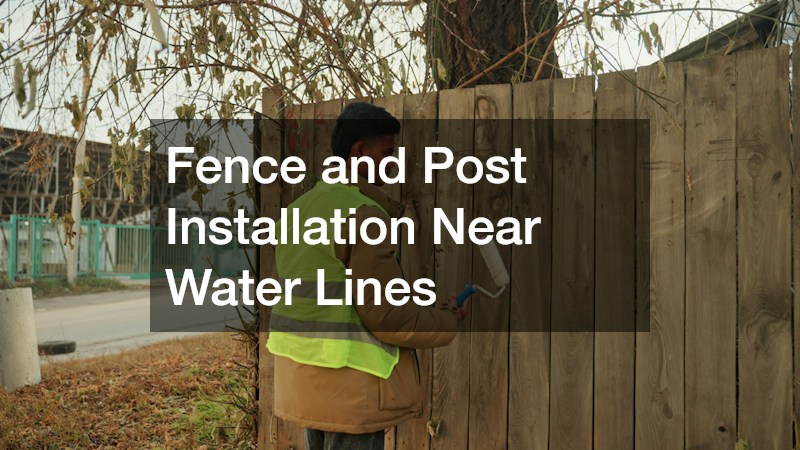
Installing a new fence seems unrelated to bathroom water pressure, but post holes dug in the wrong location can puncture or crack buried supply lines. This kind of damage doesn’t always cause an immediate flood; sometimes it creates a slow leak that only shows up as gradually declining pressure weeks later. Properties with older, undocumented plumbing layouts are especially vulnerable to this kind of accidental damage.
A responsible fence contractor will always recommend a utility locate service before digging any post holes, and reputable companies build this step into their process automatically. If you’re doing a DIY fence project, it’s worth requesting the same utility marking that professionals rely on. The cost of a locate service is minimal compared to repairing a severed water line.
Foundation and Structural Concrete Work
Beyond driveways and patios, larger concrete projects like foundation repairs or retaining walls can also intersect with your property’s plumbing. When soil is excavated or compacted near existing lines, it can shift pipe alignment enough to create kinks or partial blockages. This is particularly true on sloped properties where water and sewer lines run at odd angles to reach the street.
Reputable concrete companies typically coordinate with plumbers before large pours to verify that no lines will be disturbed during excavation or curing. This kind of coordination is especially important on properties with additions or major renovations planned. Skipping this communication is a common reason homeowners end up with mysterious pressure drops months after a construction project wraps up.
Sprinkler and Irrigation System Design
Irrigation systems tap into your home’s main water line, and a poorly designed system can pull enough pressure to affect indoor fixtures, including your bathroom. This is especially noticeable in the morning or evening when automatic sprinkler cycles run at the same time someone is trying to shower. Backflow issues or a failing valve within the irrigation system can also create pressure fluctuations that seem unrelated at first glance.
Working with knowledgeable landscape contractors during installation ensures your irrigation system is properly sized for your home’s water supply and doesn’t compete unnecessarily with indoor plumbing. Pressure-reducing valves and properly zoned sprinkler heads can prevent the tug-of-war between outdoor and indoor water use. If your pressure dips noticeably only during watering hours, this is one of the first places to look.
Roof Drainage and Gutter Runoff Patterns
It might seem unlikely, but poor roof drainage can indirectly affect your water pressure by contributing to soil erosion around buried pipes. When gutters overflow or downspouts dump water in concentrated areas, the saturated soil can shift and expose or stress underground lines over time. This is more common on older homes where drainage systems haven’t been updated to match current roofing.
Experienced roofing contractors can evaluate whether your gutter and downspout placement is directing water away from areas where plumbing runs close to the surface. Redirecting downspouts or adding extensions is often a simple, low-cost fix. Addressing this early prevents the kind of gradual soil erosion that leads to expensive pipe repairs later.
Garage Plumbing and Utility Room Connections
Many homes route main shutoff valves, water heaters, or softener systems through the garage, making this space more connected to your bathroom pressure than it appears. A garage door that doesn’t seal properly can expose these components to temperature swings, and extreme cold can cause pipes to contract or even freeze partially, restricting flow. This is a particularly common issue in regions with harsh winters.
Scheduling garage door repair when you notice gaps, poor insulation, or slow closing can protect the plumbing housed nearby from temperature-related stress. A properly sealed garage maintains a more stable environment for any exposed pipes or valves. This small maintenance step is often overlooked but can prevent seasonal pressure complaints in the bathroom.
Kitchen Renovation Plumbing Adjustments

Kitchen upgrades often involve rerouting or expanding plumbing lines, and these changes can have ripple effects on water pressure throughout the rest of the house. Adding a second sink, a dishwasher, or a larger refrigerator with a water line increases demand on your home’s overall system. If your bathroom pressure dropped noticeably after a kitchen project, the timing isn’t a coincidence.
Skilled kitchen remodelers should calculate total household water demand before finalizing new plumbing layouts, ensuring no single area of the house is starved for pressure. Upgrading to larger supply lines during a renovation can prevent this competition between fixtures. If this step was missed during your renovation, a plumber can often correct it without redoing the entire kitchen layout.
Bathroom water pressure is rarely an isolated issue, and tracing the real cause often means looking well beyond the fixtures themselves. From buried pipes and tree roots to irrigation systems and recent renovations, your entire property plays a role in what comes out of the tap. Taking the time to investigate these connections can save you money and frustration compared to guessing at fixture-level fixes. If you’ve ruled out the obvious causes, consider having a professional evaluate your property as a whole system rather than treating the bathroom in isolation.
