A creeping utility bill can feel like a mystery, but the culprit is often hiding in plain sight, right in your kitchen. Between aging appliances, hidden leaks, and inefficient fixtures, the kitchen quietly consumes more energy and water than most homeowners realize. Before you assume your rates simply went up, it pays to investigate the systems working overtime behind your cabinets and countertops. This guide walks through the most common kitchen-related causes of rising bills and what they signal about the rest of your home.
Refrigerator and Freezer Energy Drain
An aging refrigerator is one of the biggest silent energy hogs in the average kitchen, especially models over ten years old that lack modern efficiency standards. Dirty condenser coils, worn door seals, and a thermostat set too cold all force the compressor to run longer than necessary. If your energy bill has crept up without an obvious reason, check whether your fridge is working harder than it used to.
A refrigerator problem rarely stays isolated to just your energy bill. Warm spots inside the unit can also spoil food faster, adding grocery costs on top of electricity waste, so it is worth addressing both issues together.
- Vacuum condenser coils twice a year to keep airflow efficient
- Check door gaskets for cracks or gaps that let cold air escape
- Keep the fridge temperature between 35 and 38 degrees Fahrenheit
- Avoid placing the unit next to the oven or in direct sunlight
Dishwasher Water and Electric Consumption

Dishwashers account for a surprising share of kitchen water and energy use, particularly older models that lack efficient wash cycles. Running a half-empty load, skipping the eco setting, or using a machine with a failing heating element can quietly inflate both your water and electric bills. Comparing your dishwasher’s age and cycle time to newer efficiency standards is a simple way to spot wasted resources.
Leaks around the dishwasher door or under the unit can also raise your water bill without an obvious source, since the water often drains directly into the flooring or subfloor. Checking the hose connections and door seal regularly can catch a slow leak before it becomes a bigger, more expensive plumbing issue.
Kitchen Faucet Leaks and Water Waste
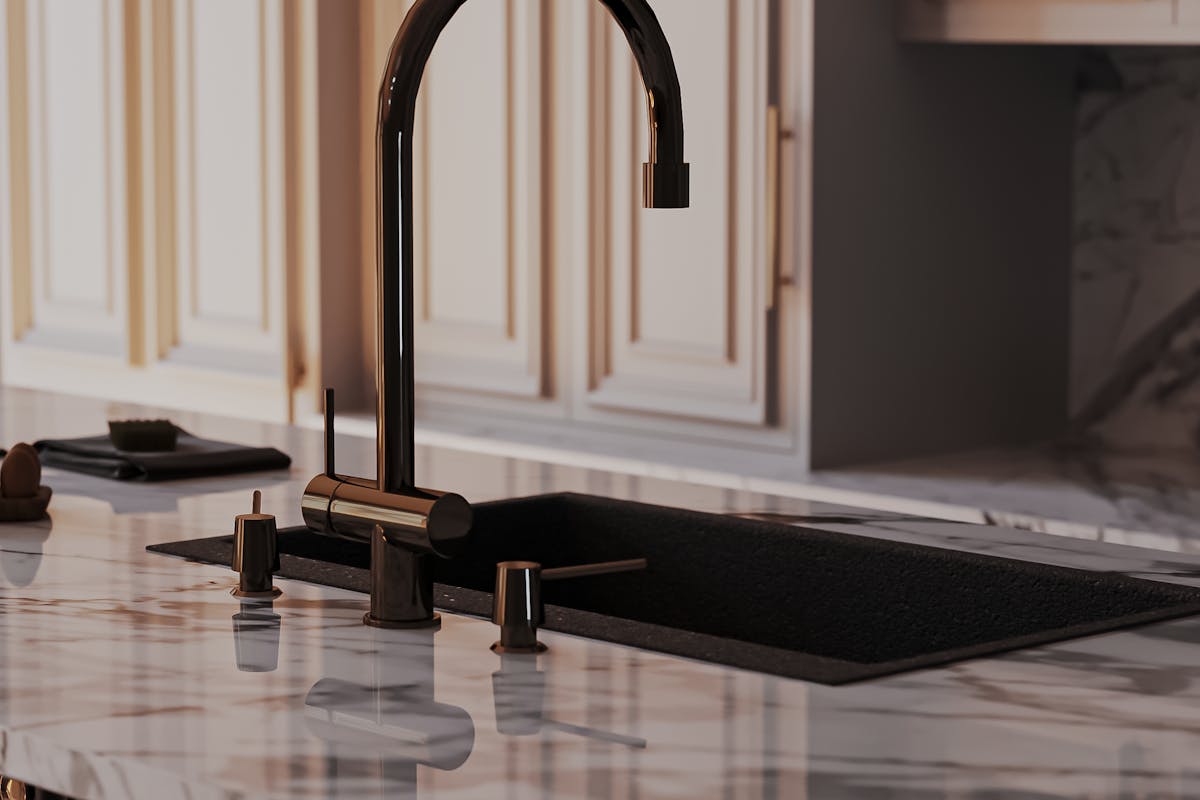
A dripping kitchen faucet might seem minor, but a single leak can waste thousands of gallons of water annually, showing up as a steadily rising water bill. Worn washers, corroded valve seats, or loose O-rings are usually to blame, and most are inexpensive to repair. If you notice mineral buildup or discoloration around the base of the faucet, that is often a sign the leak has been going on longer than you think.
Beyond the faucet itself, check the supply lines underneath the sink for moisture or soft spots in the cabinet floor. These hidden leaks often go unnoticed until the water bill spike forces a closer look, so a quick monthly check under the sink is worth the effort.
Garbage Disposal and Drain Line Issues

A struggling garbage disposal does more than make strange noises. It can also signal a deeper drainage problem that affects water flow throughout the kitchen and beyond. Grease, coffee grounds, and starchy food scraps build up over time, narrowing pipes and forcing water to back up or drain slowly. When this buildup travels further into your plumbing system, it can eventually contribute to a clogged sewer line that affects the entire house, not just the kitchen sink. For homes on a septic system, this kind of buildup can also mean scheduling septic pumping sooner than expected, since kitchen waste that should never reach the tank adds to its load.
Kitchen drainage problems rarely announce themselves clearly at first. A slow drain, gurgling sounds, or a foul odor near the sink are early warning signs worth acting on before the situation worsens.
- Avoid pouring grease or oil down the drain
- Run cold water while using the disposal to help flush debris
- Listen for humming without grinding, which often signals a jammed motor
- Address slow drains early to prevent pressure buildup in the pipes
Kitchen Window Seals and Heat Loss
Kitchens often have more windows than other rooms, whether over the sink or along a breakfast nook, and older or poorly sealed windows can let conditioned air escape year-round. Single-pane glass, warped frames, and failed seals are common culprits behind drafts that force your heating and cooling system to work overtime. If you feel a noticeable temperature difference standing near the kitchen window, it is likely contributing to your rising energy costs.
In many cases, resealing or caulking around the frame offers only a temporary fix. Homeowners dealing with consistent drafts or fogged glass between panes often find that window replacement pays for itself over time through lower monthly energy costs. Since roof lines and eaves near the kitchen can also contribute to drafts and moisture problems around window frames, it is sometimes worth asking roofing companies to check for gaps or damage in that area while you are addressing window seals.
Kitchen Exhaust and Ventilation Systems
A kitchen exhaust fan or range hood that is not venting properly can quietly affect your indoor climate control and, in turn, your utility bills. When grease and dust clog the vent, it reduces airflow and can cause your kitchen to retain heat and humidity longer than it should. This forces your broader home cooling system to compensate, especially during warmer months.
Because kitchen ventilation problems overlap with whole-home temperature regulation, it is worth having your ductwork and vent connections inspected periodically. Many HVAC services include kitchen exhaust and ductwork checks as part of a broader efficiency inspection, which can catch airflow issues before they show up as an unexplained spike in your cooling costs. If the vent runs through the attic or roofline, roofers can also help determine whether a poorly sealed roof penetration is letting conditioned air escape alongside the exhaust.
Kitchen Wiring and Small Appliance Load
Toasters, coffee makers, slow cookers, and countertop ovens all draw power, and older kitchen wiring may not be built to handle the load efficiently. Overloaded circuits can cause appliances to draw more energy than necessary just to function properly, and worn wiring can even pose a safety risk. If your kitchen frequently trips breakers or outlets feel warm to the touch, it is worth having an electrician assess the circuit capacity.
Unplugging small appliances when not in use is a simple habit that reduces phantom energy draw, since many devices continue pulling small amounts of power even when switched off. Over the course of a year, this adds up to a noticeable difference on your electric bill.
Whole Home Systems Connected to Kitchen Problems

Kitchen issues rarely exist in isolation, and sometimes a rising utility bill traced back to the kitchen is really a symptom of a larger home system under strain. Ovens, stovetops, and even inefficient refrigerators generate excess heat that spreads into surrounding rooms, forcing the HVAC system to run longer cycles just to maintain a stable temperature. Over time, that extra strain can shave years off a unit’s lifespan and quietly inflate monthly energy costs. A failing HVAC unit working harder to offset heat from an inefficient kitchen, for example, may need attention from AC companies before the problem worsens further. A technician can check refrigerant levels, inspect ductwork near the kitchen for leaks, and confirm the thermostat isn’t being misled by localized heat spikes. Catching these issues early often costs far less than replacing a compressor that’s been overworked for months. Similarly, homes with older roofing may lose conditioned air through poor attic insulation above the kitchen, making the space harder to keep comfortable. Gaps around exhaust vents, recessed lighting, or ductwork running through the attic are common culprits that let cooled or heated air escape unnoticed. In some cases, adding a few inches of insulation or sealing attic penetrations above the kitchen can noticeably reduce the load on both the HVAC system and the monthly bill.
It helps to think of your kitchen as connected to the rest of your home’s infrastructure rather than a standalone space. Ductwork, shared walls, and even air pressure can carry the effects of one room’s inefficiency into another, which is why a problem that seems unrelated to cooking or food storage can still show up on your utility bill. A garage attached near the kitchen is a good example. If the garage door isn’t sealing properly or the springs have worn out, the door can hang unevenly and let outside air seep into the space. That air often finds its way into adjoining rooms, including the kitchen, forcing your HVAC system to work harder to maintain a stable temperature. Broken garage door spring repair is a common fix that homeowners overlook when troubleshooting energy loss, largely because the connection isn’t obvious. A sagging door might only be off by an inch or two, but that gap is enough to let in drafts year-round. Over a few months, the added strain on heating and cooling can add up to a noticeable spike in energy costs, even though the kitchen itself seems to be functioning normally.
Outdoor Factors That Influence Kitchen Efficiency

It might seem unrelated, but the condition of your home’s exterior can directly affect how hard your kitchen systems have to work. Overgrown landscaping near kitchen windows can block sunlight needed for natural warmth in winter or trap humidity in summer, forcing your refrigerator, range hood, and HVAC system to compensate. Scheduling regular lawn care services to trim back shrubs and tree limbs near these windows can indirectly support better temperature regulation indoors, and it also reduces moisture buildup that encourages mold near exterior walls. The exterior walls themselves deserve attention too. Siding contractors often find that gaps, cracked caulking, or warped panels near the kitchen wall are letting outside air seep into the home unnoticed, sometimes accounting for noticeable spikes in heating and cooling costs. A gap as small as a quarter-inch around a window frame can let in enough drafts to make an oven or stove work harder to maintain ambient kitchen temperature. Beyond air leaks, aging siding can also affect insulation performance, especially if moisture has worked its way behind the panels over time. That trapped moisture reduces the effectiveness of wall insulation, meaning your kitchen loses conditioned air faster than it should. Addressing both landscaping and siding issues together often reveals just how many small exterior problems are quietly driving up utility costs.
Drainage patterns around the foundation play a role too, even though they are easy to forget about. Poor grading near an exterior kitchen wall can allow water to pool close to the house, gradually raising indoor humidity and forcing refrigerators and dehumidifiers to work overtime. Experts generally recommend a slope of at least six inches of fall over the first ten feet away from the foundation to keep water moving in the right direction. When that grading is off, moisture can seep into crawl spaces or basement walls beneath the kitchen, and from there it migrates upward into cabinets and flooring. This added humidity means a refrigerator’s compressor has to cycle more often just to maintain its set temperature, quietly driving up its share of the electric bill. Over a hot, humid summer, that extra cycling can add up to a noticeable jump in energy use without any obvious change in cooking or cleaning habits. Redirecting downspouts and maintaining a slight slope away from the foundation helps keep excess moisture from ever reaching the kitchen in the first place, easing the burden on appliances that would otherwise compensate for the dampness. Extending downspouts so they discharge at least four to six feet from the house, and installing splash blocks or buried drain lines, are inexpensive fixes that pay off in lower humidity indoors. A simple walk-through after heavy rain, checking for standing water or damp patches near the exterior kitchen wall, can catch drainage problems before they translate into higher utility bills.
Rising utility bills are rarely random, and more often than not, the kitchen holds important clues about where your home is losing energy or water. By checking appliances, seals, plumbing, and ventilation methodically, you can catch small problems before they turn into expensive ones. Start with the areas outlined here, keep an eye on your monthly bills for patterns, and bring in a qualified professional when a fix goes beyond a simple do-it-yourself repair. Taking action now can mean a more comfortable kitchen and a noticeably lower bill next month.