Small bathrooms present unique challenges, but with the right design strategies, you can transform a compact space into a spa-like oasis. Discover expert tips to maximize your bathroom remodeler and create a serene escape. This article will provide you with comprehensive insights on optimizing space, selecting the best materials, and incorporating luxury in your small bathroom to redefine your personal haven.
Optimizing Layout and Fixtures
The first step to maximizing space in a small bathroom is choosing an optimized layout. Choose fixtures that are both compact and multifunctional to save space and improve functionality. For instance, wall-mounted sinks and toilets can provide more floor space, making the bathroom appear larger.
Consider installing sliding doors or pocket doors instead of traditional swing doors to increase accessibility and efficiency. A corner shower can replace a traditional bathtub if you’re short on space, while still offering a comfortable bathing experience. Don’t underestimate the efficiency of floating vanities; these options provide storage space while keeping the floor clear.
Reevaluate the placement of essential fixtures such as the sink, toilet, and shower to create a more open and inviting space. By aligning your fixtures along one wall, you can streamline the bathroom’s layout, which reduces visual clutter. This alignment can be especially important in long and narrow bathrooms, where every inch counts.
Creative Storage Solutions
Ample storage is key to maintaining a clutter-free, spa-like environment in a small bathroom. Consider vertical storage spaces such as tall cabinets or shelving units to efficiently use available wall space. Built-in niches in shower stalls can also offer storage solutions without intruding into the showering area.
Use baskets and stylish containers to keep toiletries organized and easily accessible. Opt for multifunctional furniture that serves dual purposes, like a stool that also acts as additional storage. Floating shelves above the toilet or alongside a mirror can add decorative storage without occupying any floor space.
Incorporate medicine cabinets with mirrors, which provide both storage and the illusion of space. Mirrors reflect light and space, making the room appear larger and brighter. Transparency in storage, such as clear glass doors or acrylic containers, can also contribute to a more open and airy feel.
Use of Light and Color
Lighting and color choices greatly influence the perception of space in a small bathroom. Pale, neutral color palettes tend to open up tight spaces, giving them an airy, serene feel reminiscent of a spa. White or light-colored walls, in particular, can enhance the effect of natural light and make the room feel larger.
Use layered lighting by combining ambient, task, and accent lighting to create a balanced and functional space. Installing dimmable lighting options can allow you to adjust the atmosphere based on your mood or time of day. Moreover, strategically placed LED strip lights can highlight architectural features and add depth to the space.
Durable and Moisture-Resistant Options
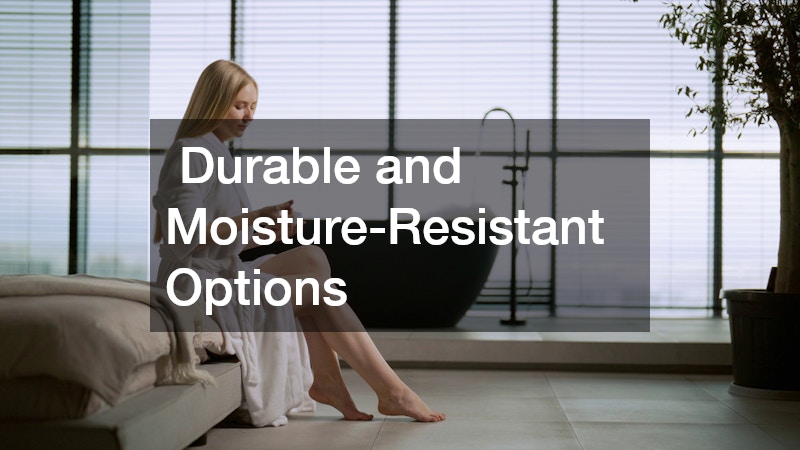
Choosing moisture-resistant materials is essential for maintaining the integrity and longevity of your bathroom. Porcelain and ceramic tiles are excellent choices for floors and walls because they are durable and resistant to water damage. For countertops, consider quartz, which is both non-porous and scratch-resistant, making it ideal for wet environments.
Waterproof vinyl flooring can also be an effective option as it’s easy to install, budget-friendly, and offers a variety of styles and colors. To ensure durability, look for high-quality finishes that can withstand humidity and temperature fluctuations without warping or peeling. Sealers and waterproof paints can provide additional protection against moisture damage and extend the life of the materials used.
Fact: Using high-quality grout and sealant can prevent water leaks and mildew from forming, ensuring a long-lasting, beautiful bathroom. Regular maintenance and proper ventilation are also crucial in preventing moisture buildup. Choosing materials with a balance of durability and aesthetic appeal will contribute to cohesive, long-lasting design.
Stylish Yet Practical Choices
Selecting materials that merge style with practicality will create a cohesive and attractive bathroom space. Glass tiles, for instance, can offer a modern look while reflecting light to brighten the room. Textured tiles on one primary wall can add interest without overwhelming the small space.
Subway tiles are timeless and can be used to create classic patterns that won’t go out of style. Pairing these with dark grout can add a contemporary feel and make cleaning easier, as grout lines are less likely to show dirt. Functional but beautiful choices can ensure you don’t compromise on aesthetics.
Opt for natural stone finishes on smaller accent pieces to introduce luxury while keeping costs manageable. Using a single type of material, such as marble or slate, across different elements can unify the look of the space. Always consider maintenance requirements when choosing materials to ensure they fit seamlessly into your lifestyle.
Incorporating Natural Elements
Natural elements add tranquility and a sense of harmony to any space, especially in a bathroom. Plants such as ferns and orchids thrive in humid environments and can provide a lush, green focal point. A strategically placed vertical garden can bring in nature’s calming influence while maximizing space.
With thoughtful planning and attention to detail, even the smallest bathroom can be transformed into a serene, luxurious retreat. Apply these tips to make every square inch count, creating a bathroom that’s both functional and beautiful. Whether through optimizing layout, choosing the best materials, or adding touches of luxury, your small bathroom can become a personal sanctuary and a highlight of your home.