
That lingering fog on your mirror and the faint musty smell near the ceiling vent aren’t just minor annoyances, they’re signals from your home about moisture problems that could be building behind the walls. Bathroom air carries clues about humidity levels, ventilation performance, and even the health of your plumbing and HVAC systems. Learning to read these signs can help you catch small issues before they turn into mold infestations or costly repairs. This guide breaks down what steamy mirrors, musty vents, and damp corners are really telling you about your bathroom.
Excess Steam and What It Means for Your Walls
When your bathroom fills with thick steam after every shower and takes a long time to clear, it’s a sign that moisture is settling into places it shouldn’t. Steam that lingers can seep into drywall, paint, and grout lines, weakening materials over time and creating the perfect environment for mold spores to thrive. A properly functioning exhaust fan should clear visible steam within ten to fifteen minutes of a shower ending.
If your bathroom consistently stays foggy well beyond that window, the fan may be undersized for the room or struggling due to a clogged duct. Pay attention to how quickly condensation disappears from the mirror and tile surfaces, since a slow clearing time often points to inadequate airflow rather than just a longer shower.
- Steam lingering more than 20 minutes after a shower signals poor ventilation
- Peeling paint near the ceiling often starts with trapped steam
- Warped wood trim around doors or cabinets can indicate chronic humidity
- Condensation on windows long after bathing points to excess moisture buildup
Musty Odors Coming From the Exhaust Vent
A musty smell drifting from your vent cover is rarely just an old-house quirk, it usually means moisture and debris have built up inside the ductwork. Dust, lint, and trapped humidity create a breeding ground for mold and mildew inside the vent pipe, and that smell is the byproduct of organic growth you can’t see. This is especially common in homes where the exhaust duct makes several turns or travels a long distance before reaching the exterior.
Ignoring this odor can allow mold to spread further into the ductwork and even into the attic space where many vents terminate. A simple way to check is to remove the vent cover and shine a flashlight inside to look for dark staining or visible buildup.
- Musty smells that return shortly after cleaning suggest internal duct contamination
- Discolored or dusty vent covers often mean reduced airflow
- A whistling or rattling fan noise can indicate duct blockage
- Odors that worsen with humidity point to trapped moisture rather than dust alone
Mold Spots on Ceilings and Grout Lines
Small black or greenish spots near the ceiling, around the fan housing, or along grout lines are an early warning sign that humidity is settling faster than it can evaporate. Mold needs three things to grow, moisture, warmth, and a food source like soap residue or dust, and bathrooms provide all three in abundance. Catching these spots early, while they’re still surface level, makes cleanup far easier than waiting until the growth spreads into porous materials.
Grout is especially vulnerable because it’s porous and often never fully dries between uses. If mold keeps returning to the same spot even after cleaning, that’s usually a sign the underlying humidity problem hasn’t been addressed, not that your cleaning method failed.
- Spots that regrow within a week point to an ongoing moisture source
- Mold near the fan housing often means condensation inside the duct
- Grout discoloration near the shower floor can indicate poor drainage
- Ceiling mold directly above the shower usually follows a predictable steam path
Warning Signs Behind the Walls and Under the Floor
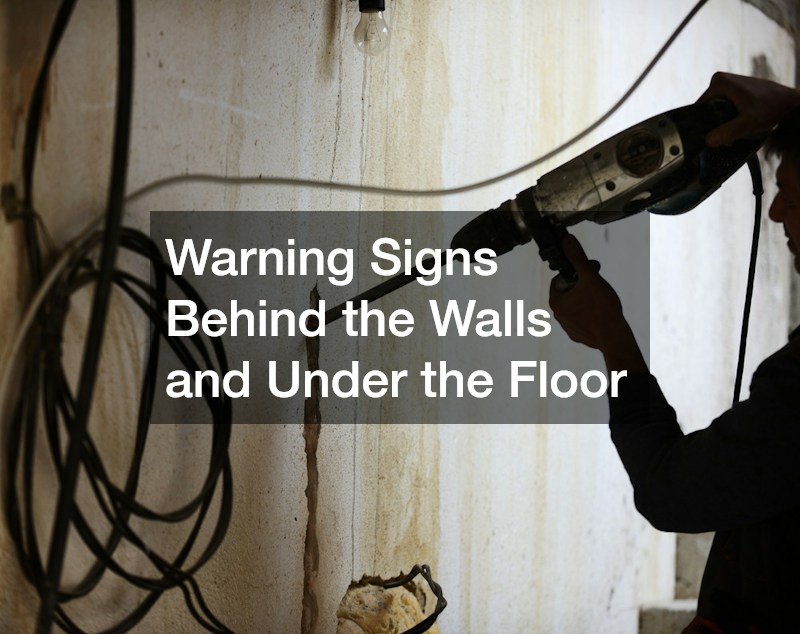
Sometimes the clues aren’t visible at all, they show up as a soft spot in the subfloor, a faint sagging in the ceiling drywall, or a slightly spongy feel underfoot near the tub. These are signs that moisture has worked its way past the surface finishes and into structural materials. Left unaddressed, prolonged dampness can lead to wood rot, compromised subflooring, and in serious cases, a need for professional repair work.
If you notice persistent leaks or unexplained dampness near pipe connections, it’s worth having a plumber inspect the area before the problem spreads further. A trained eye can often spot a slow leak behind a wall or under a vanity that would otherwise go unnoticed until real damage appears. Catching these issues early typically costs far less than waiting until flooring or drywall needs full replacement.
- Soft or bouncy flooring near the tub suggests subfloor moisture damage
- Discoloration on the ceiling below an upstairs bathroom indicates a hidden leak
- A persistent damp smell without visible mold may mean a leak inside the wall
- Loose or cracked tile can be a sign of shifting, moisture-damaged substrate
Humidity’s Hidden Impact on Your Home’s Air System
Bathroom moisture doesn’t always stay contained to one room, it can travel through shared ductwork and affect the humidity balance in nearby spaces. Homes with central heating and cooling often pull some of that excess moisture into the broader air system, which can strain components and contribute to inconsistent comfort throughout the house. In older or poorly balanced systems, this added humidity load is sometimes the hidden reason behind frequent cycling or reduced efficiency.
If you’ve noticed rising energy bills alongside persistent bathroom humidity, it may be worth having your system evaluated to see whether ventilation upgrades or AC installation improvements could help manage moisture more effectively across the whole home. Modern systems are often better equipped to handle humidity control as part of regular operation, which takes pressure off individual room exhaust fans. Addressing the issue at the source tends to produce more consistent results than treating each symptom separately.
- Uneven humidity between rooms can signal duct or airflow imbalances
- Frequent HVAC cycling paired with bathroom moisture issues may point to system strain
- Older systems may lack adequate humidity control for modern usage patterns
- Whole-home dehumidification can reduce the burden on bathroom exhaust fans
Your bathroom’s air is constantly giving you feedback, from lingering steam to musty vents to the faint smell of mold you can’t quite locate. Paying attention to these signals early allows you to address small issues with simple fixes rather than facing extensive repairs down the road. Start by checking your exhaust fan’s performance and inspecting vent covers for buildup, then expand your attention to walls, floors, and your home’s broader ventilation needs if problems persist. Taking these steps now protects both your home’s structure and the air you breathe every day.